

Federal Health Official Says Teens Are Finding It Harder To Access Marijuana Even As Legalization Spreads, Contrary To Opponents’ Fears
Youth marijuana use is stable, even as legalization spreads—and teens say it’s getting harder to score. That’s not the fever dream of some industry lobbyist. That’s the straight, unsexy reality pulled from the Monitoring the Future survey, the country’s long-running dashboard for adolescent behavior. Federal researchers and University of Michigan number-crunchers didn’t find a surge. No tidal wave. Just a steady line on the graph and a quieter, more telling shift: a growing chunk of teens now disapprove of occasional cannabis use, and more of them say it isn’t easy to get. The old scare-story trope—the one about dispensaries turning every high school into a hotbox—reads more like late-night cable fiction than public health fact.
Here’s what the latest survey round makes plain. Past-year marijuana use among 12th graders landed at 25.7 percent, holding steady and at its lowest point since 1992. Tenth graders came in at 15.6 percent. Eighth graders at 7.6 percent. Past-month use tells a similar story: 17.1 percent for seniors—a tad up from last year, but miles below the 37.1 percent peak in 1978—while 10th graders sat at 9.4 percent and 8th graders at 4 percent. That’s not an epidemic; that’s a culture learning guardrails. Perceived availability is trending down. Disapproval of occasional use ticked up. And the earlier slide in perceived harm? It’s leveled off—or even reversed. Researchers also widened their lens on hemp-derived products this year, asking about “cannabis products made from hemp,” not just delta-8. That matters in an era where federal rules wobble and states draw their own red lines. The policy pendulum on hemp swings hard, which is why debates like GOP Congressman Files Bill To Delay Federal Hemp Ban For Two More Years As Trump Calls For CBD Access keep ricocheting through the halls of power. For now, another quiet finding deserves attention: self-reported medical use “under a doctor’s order” remains low. The sky is not falling. It never was.
So why does the myth persist that legalization flips teens into heavy users? Because fear is a great storyteller, and prohibition has had the mic for a century. But the regulated market does one crucial thing the illicit market never bothered with: it checks IDs and runs tight compliance. When the gate is real and the product is tested, the allure of the back alley fades. That’s the subtext in the steady youth numbers—fewer teens think weed is easy to get, because the corner dealer isn’t the only game in town anymore, and the legal storefront won’t sell to them. Meanwhile, some opponents are still playing trench politics: think signature gatherers, whisper campaigns, and a little sleight of hand. We’ve been tracking the complaints, from Maine Secretary Of State Notes Complaints About Anti-Marijuana Ballot Petitioners’ Tactics to the blunt pushback in Maine GOP Lawmaker Says Anti-Marijuana Activists Are ‘Lying’ To Mislead Voters Into Signing Legalization Repeal Ballot Petition. But the data keeps shrugging. It suggests that policy done like adults—rules, IDs, inspections—works better than moral panic whispered in a grocery store parking lot.
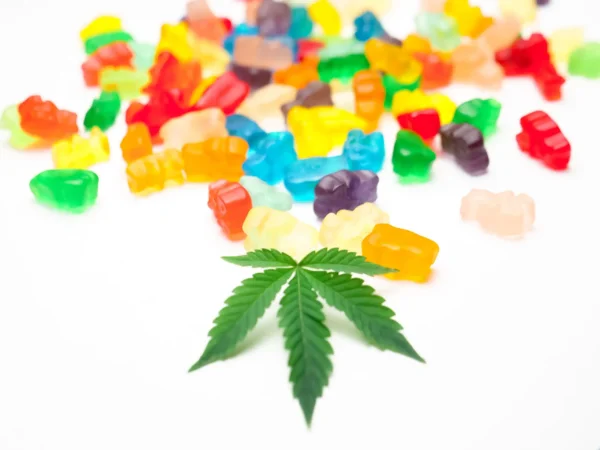
The culture is loud; the kids are not. Cannabis is everywhere in the adult world—dispensary menus that read like wine lists, gummies in pastel boxes, podcasts dissecting terpenes like sommeliers. Even pop culture can’t resist the glow. A government-funded analysis found that More Than A Third Of Rap And Hip Hop Music Videos Feature Marijuana, Government-Funded Study Shows. That’s saturation, the kind that makes parents think the slope’s already slippery. And yet, adolescent use isn’t spiking. If anything, the gap is widening between adult experimentation and teen abstention; other federal data points to adults 26 and up driving recent increases in use. Teens, by comparison, are staying steady, more skeptical, and less convinced that marijuana is easy to snag. The contradiction isn’t really a contradiction at all. Adults make adult choices in legal markets. Teens read the room, clock the rules, and move on.
What do we do with a reality this unglamorous? We keep the guardrails and get smarter. Fund prevention where it matters. Train retailers like hawks on ID checks. Keep products tested and labeled. Watch the hemp aisle with clear eyes and clean data, not panic. And we stay honest about what the numbers say, even when they fail to light up a headline. Regulators can focus on real adolescent risks—mental health stress, social media, alcohol—while keeping cannabis policy evidence-based, not boogeyman-based. If you want the short version: the sky is still up there. The ground is still under your feet. And the kids, statistically speaking, are alright. For adults seeking high-quality, compliant options, take a measured look at our selection here: https://thcaorder.com/shop/.