

GOP Congressman Files Bill To Delay Federal Hemp Ban For Two More Years As Trump Calls For CBD Access
Two More Years To Breathe: The High-Stakes Push For A Federal Hemp Ban Delay
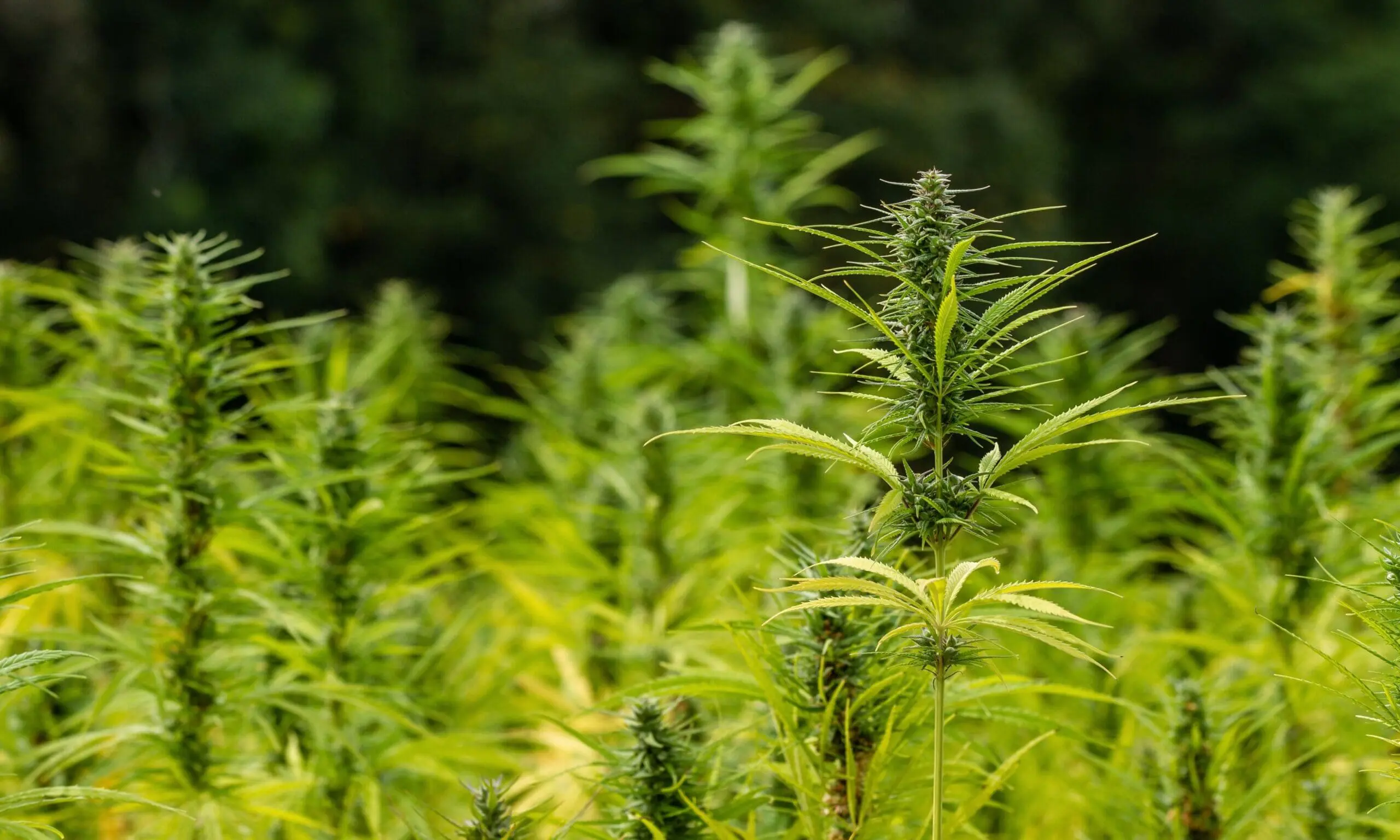
Federal hemp ban delay isn’t a headline, it’s life support for a scrappy industry that’s learned to hustle in the gray between law and livelihood. On Monday, Rep. Jim Baird of Indiana lobbed a lifeline into the storm—a two-page bill that stretches the countdown on a looming federal prohibition of hemp-derived THC products from 365 days to three years. It’s a minimalist fix with maximal implications, backed at the outset by Reps. James Comer (KY), Gabe Evans (CO), Tim Moore (NC) and Angie Craig (MN). The pitch is simple: give growers and processors room to negotiate real rules instead of watching their businesses vanish in a fog of panic. The text is as barebones as a diner menu—just enough to keep the lights on—and you can read it for yourself on Congress.gov. Behind the Beltway jargon—“strike ‘365 days’ and insert ‘3 years’”—is a sprawling American supply chain built since the 2018 Farm Bill, now staring down the barrel of a policy swerve that could gut shelves, payrolls and rural tax bases overnight.
Out where the rows are straight and the margins aren’t, this isn’t about rhetoric; it’s about planting decisions, contracts, and who gets paid on Friday. “Certainty” is the word the Midwest keeps repeating like a prayer. Justin Swanson at the Midwest Hemp Council put it plainly: farmers can’t operate in a constant fog of doubt, and a two-year extension gives them permission to breathe and plan. His council’s statement reads like a steadying hand on the shoulder—no grandstanding, just the logistics of survival (read it here). Baird’s move also sets the stage for a conversation many in agriculture and retail have begged for: targeted cannabis regulation that treats intoxicating cannabinoids with adult safeguards—age-gating, testing, packaging—rather than torching an entire legal category and the jobs that came with it. In a town that loves abstractions, this is refreshingly concrete: keep the tractor running, keep the supply chain intact, and hash out the hard details in daylight.
Those hard details are why the industry is sweating. Since 2018, “hemp” meant less than 0.3 percent delta-9 THC by dry weight—a line in the sand that allowed a universe of hemp-derived cannabinoids to bloom. The new prohibition language on deck is stricter, recalibrating the definition to total THC, sweeping in delta-8 and assorted isomers, and even targeting any cannabinoid that behaves like THC as the health bureaucracy defines it. There’s talk of banning “intermediate” hemp-derived cannabinoid products when they’re sold directly to consumers and a microscopic cap—0.4 milligrams of total THC per container—on what could legally remain. The FDA would be ordered to publish a roster of cannabinoids within 90 days of enactment, turning chemistry into compliance overnight. That’s the hammer. The counterargument from growers and retailers is a scalpel: regulate potency, testing, and access; don’t criminalize a supply chain that’s already aboveboard. For a sense of just how sparse Baird’s fix is—by design—here’s the text he filed:
Politics, as always, muddies the waters. Even as Washington entertains a broad clampdown on hemp-derived THC, the White House has moved to shift marijuana to Schedule III and signaled interest in ensuring access to full-spectrum CBD—especially for patients and seniors, potentially through a Medicare pilot. That’s a paradox only D.C. could love: squeeze a legal hemp market with one hand while lauding cannabinoid access with the other. Industry groups warn a blanket hemp THC prohibition could chill medical research at the very moment federal policy is warming to cannabinoid therapeutics. Meanwhile, congressional hawks and doves alike are circling the regulatory sweet spot that treats intoxicants like intoxicants without detonating legitimate commerce. Expect more choreography: roundtables, pressers, farm-state delegations pushing back against a ban that treats a rural economic engine like contraband, and consumer voices—many of them new to the plant—asking why their lawful CBD tincture just got caught in someone else’s crossfire.
Zoom out and you see the broader cannabis map twitching. In Maine, the politics of prohibition-by-petition have turned into a street-level knife fight, with state officials logging complaints about signature gatherers and a GOP lawmaker publicly calling out deception—see the receipts here: Maine Secretary Of State Notes Complaints About Anti-Marijuana Ballot Petitioners’ Tactics and Maine GOP Lawmaker Says Anti-Marijuana Activists Are ‘Lying’ To Mislead Voters Into Signing Legalization Repeal Ballot Petition. In Texas, the medical program keeps quietly adding patients as new dispensary licenses trickle out—policy reform by drip, not deluge: More Patients Sign Up For Texas Medical Marijuana Program As New Dispensary Licenses Are Issued. And in pop culture—where the market really learns to speak—marijuana shows up in more than a third of rap and hip-hop videos, a normalization engine hiding in plain sight: More Than A Third Of Rap And Hip Hop Music Videos Feature Marijuana, Government-Funded Study Shows. The hemp debate lives inside that tension: farmers and shop owners grinding it out while policymakers decide whether to regulate modern cannabinoids like adults or shove them back into the alley. If you’re following the money, the science, or just the flavor of where this market is headed, keep your eye on the federal hemp ban delay—and if you’re shopping for compliant, premium options while the dust settles, you can find them here: https://thcaorder.com/shop/.