


US House Passes Bill Protecting State Medical Marijuana Laws And Rejecting Attempt To Block Trump’s Rescheduling Move
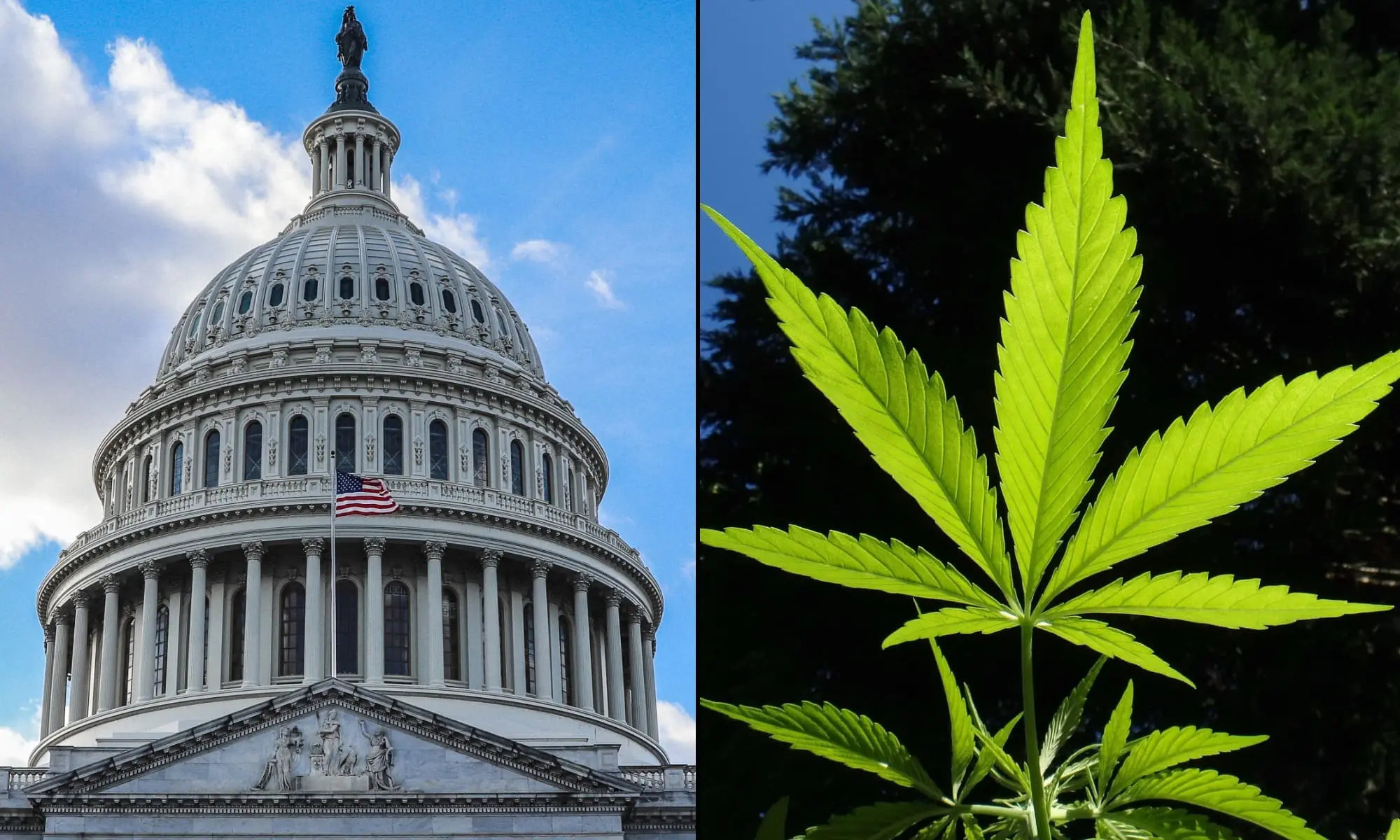
State medical marijuana protections just cleared the U.S. House, tucked inside a sprawling spending bill that keeps federal hands off compliant state programs and scrubs out a bid to kneecap marijuana rescheduling. The vote wasn’t close—397 to 28—and the package now heads to the Senate, loaded with the usual Washington alphabet soup: Commerce, Justice, Science; Interior; Energy and Water. In a town that feasts on ambiguity, this was clear enough: let the states run their medical cannabis, and don’t derail the ongoing push to shift marijuana under the Controlled Substances Act from Schedule I to Schedule III. If you’re the type who actually reads the menu before ordering, the bill text is here.
What got stripped? A poison-pill rider that would have barred the Justice Department from spending a dime to reschedule—or deschedule—cannabis. That’s not a footnote; it’s the whole ballgame for marijuana policy reform. A few weeks back, President Donald Trump signed an executive order telling Attorney General Pam Bondi to move—fast—on rescheduling to Schedule III. Meanwhile, the DEA says an appeal of the rescheduling move “remains pending,” a reminder that no change in Washington lands without turbulence. Senate Republicans floated their own roadblock last year, but it never got so much as a hearing. And yes, there’s a D.C. subplot here: if rescheduling sticks, it could finally unjam the capital’s path to regulated adult-use sales—see Trump’s Marijuana Rescheduling Order Could Let Washington, D.C. Finally Legalize Recreational Sales for why that matters beyond the Beltway.
The House package also renews the long-standing rider that bars DOJ from interfering with state medical marijuana laws. It’s a simple proposition: if a state says a patient can use cannabis under a licensed program, federal prosecutors don’t spend their weekends trying to prove otherwise. The rider names each covered jurisdiction—states, D.C., and territories—with one odd omission: Nebraska didn’t make the list this time, and nobody’s been clear about why. Also gone is a House-added tweak that would have greenlit enhanced penalties for cannabis sales near schools and parks. Instead, appropriators waved at the Drug-Free School Zones Act, instructing DOJ to enforce existing law aimed at keeping areas with young children “drug-free.” That’s federal cannabis policy in 2026: one hand protecting patients and licensed operators, the other reminding everyone that schoolyards are still sacrosanct.
Hemp got its own carveout, too. The bill maintains protections for state industrial hemp research under the 2014 Farm Bill—another thread in the tangled rope that is federal cannabis policy. The twist: in a separate appropriations law signed in November, Congress moved to recriminalize most consumable hemp products, prompting the White House to urge a rethink and preserve access to full-spectrum CBD. That recalibration has human stakes. Serious ones. Emerging science keeps whispering—sometimes shouting—that cannabinoids may have therapeutic value; see the review summarized in CBD Has ‘Substantial Promise’ To Combat Tumors From Cancer, Scientific Review Shows. The administration also signaled a federal agency will move to cover certain CBD products for eligible patients under Medicare and Medicaid, which would be a sea change for access. And because democracy is messy, there’s still trench warfare at the state level—ballots, lawsuits, and signature drives—like the unfolding fight detailed in Massachusetts Officials Will Review Complaint That Anti-Marijuana Campaign ‘Fraudulently’ Collected Signatures For Ballot Initiative.
So what does this mean for the cannabis industry impact and the broader legal cannabis revenue picture? It means fewer federal tripwires for state-legal operators and patients, more clarity around medical programs, and a cleaner runway for rescheduling—a change that could reshape taxes, research, banking access, and insurance coverage. Markets don’t love uncertainty, but they adore momentum; just look at how quickly regulated sales can scale when policy locks into place, as captured in Ohio Dispensaries Sold More Than $1 Billion Worth Of Legal Marijuana In 2025. The Senate still has to sign off, the DEA still has to finish its homework, and the courts will do what courts do. But for now, the direction is unmistakable: protect patients, respect state choices, and keep the rescheduling gears turning—then, if you’re curious where high-quality, compliant products begin their journey, take a late-night stroll through our curated selection at our shop.