

Trump’s Marijuana Rescheduling Order Could Let Washington, D.C. Finally Legalize Recreational Sales
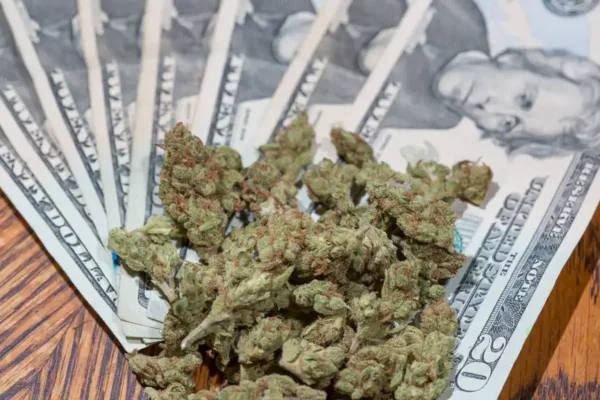
Trump’s marijuana rescheduling order could clear the way for Washington, D.C. marijuana sales legalization—at last. Picture a humid night on U Street: neon humming, go-go rhythms leaking from a basement bar, and an entire city that voted for legal weed still buying in the shadows because Congress keeps a thumb on the scale. If federal officials follow through on moving cannabis from Schedule I to Schedule III, the nation’s capital may finally pry open the door to a regulated adult-use market. It wouldn’t federally legalize marijuana, but in the strange alchemy of federalism and local home rule, it could loosen the choke chain enough for D.C. to write rules, collect taxes, and stop pretending the gray market is a phase. That’s the quiet promise here—less a revolution than a pressure valve—yet huge for cannabis taxation, marijuana policy reform, and the long-stalled D.C. cannabis market.
Here’s the wonky heart of it. For a decade, a spending rider—pushed by Rep. Andy Harris—has barred D.C. from using its own dollars to legalize or cut penalties for any Schedule I substance. Voters approved noncommercial legalization years ago, but Congress effectively told the city: don’t you dare build stores. Shift cannabis to Schedule III and that specific tripwire vanishes. A 2024 review by congressional analysts put it plainly: even if federal prohibition remains, D.C. could authorize commercial sales, stand up market regulations, and levy marijuana taxes. It’s the quiet mechanics beneath the headline—how a scheduling box on a federal chart can transform local budgets, compliance, and public safety. People obsess over the federal tax code and research access, sure, but the immediate cannabis industry impact here is hyperlocal: legal cannabis revenue for a city that’s been forced to watch legal commerce flourish everywhere else.
Of course, D.C. policy never escapes complication. The same rider also forbids the District from liberalizing anything described as a “tetrahydrocannabinols derivative,” a term left maddeningly undefined in federal law. What does that cover? Synthetic cannabinoids outlawed under D.C. code? Certain hemp-adjacent compounds? Or something broader? The ambiguity is a lawyer’s playground and a regulator’s migraine. Congressional researchers flagged the interpretive muddle, and seasoned advocates argue a court is unlikely to lump all of marijuana under that “derivative” umbrella—especially when federal statutes already separate “marijuana” from “hemp.” Meanwhile, watchdogs previously confirmed that even with the sales ban, D.C. can take preparatory steps toward a regulated market—drafting rules, mapping licenses, building enforcement. Critics in the last administration called the District’s reforms “failed” and disorderly, and the Justice Department swatted down a local hemp company’s court challenge on procedural grounds. But look past the posturing: this is governance in the trenches. Define the terms. Draw the lines. Make it work for real people, not slogans.
And while the capital wrestles with its straightjacket, the rest of America keeps moving—messy, imperfect, relentless. Up north, lawmakers are chipping away at prohibition with Yankee pragmatism; see New Hampshire House Passes Bills To Legalize Marijuana And Let Dispensaries Convert To For-Profit Status. Out in the Pacific, momentum wears a lei and a wry smile; a key proposal would let voters call the shot at the ballot box in Top Hawaii Lawmaker Previews Bill To Let Voters Decide On Marijuana Legalization At The Ballot. Even at the federal level, the argument is evolving from whispered heresy to daylight debate—pressure is mounting to follow the evidence, not fear, as detailed in Congresswoman Pushes Trump’s New Drug Czar To Back Full Marijuana Legalization And Follow ‘Science, Not Stigma’. Put together, it’s the American patchwork: states improvising, Congress equivocating, and the District of Columbia stuck in a constitutional cul-de-sac where 700,000 people pay taxes but borrow sovereignty on an annual rider.
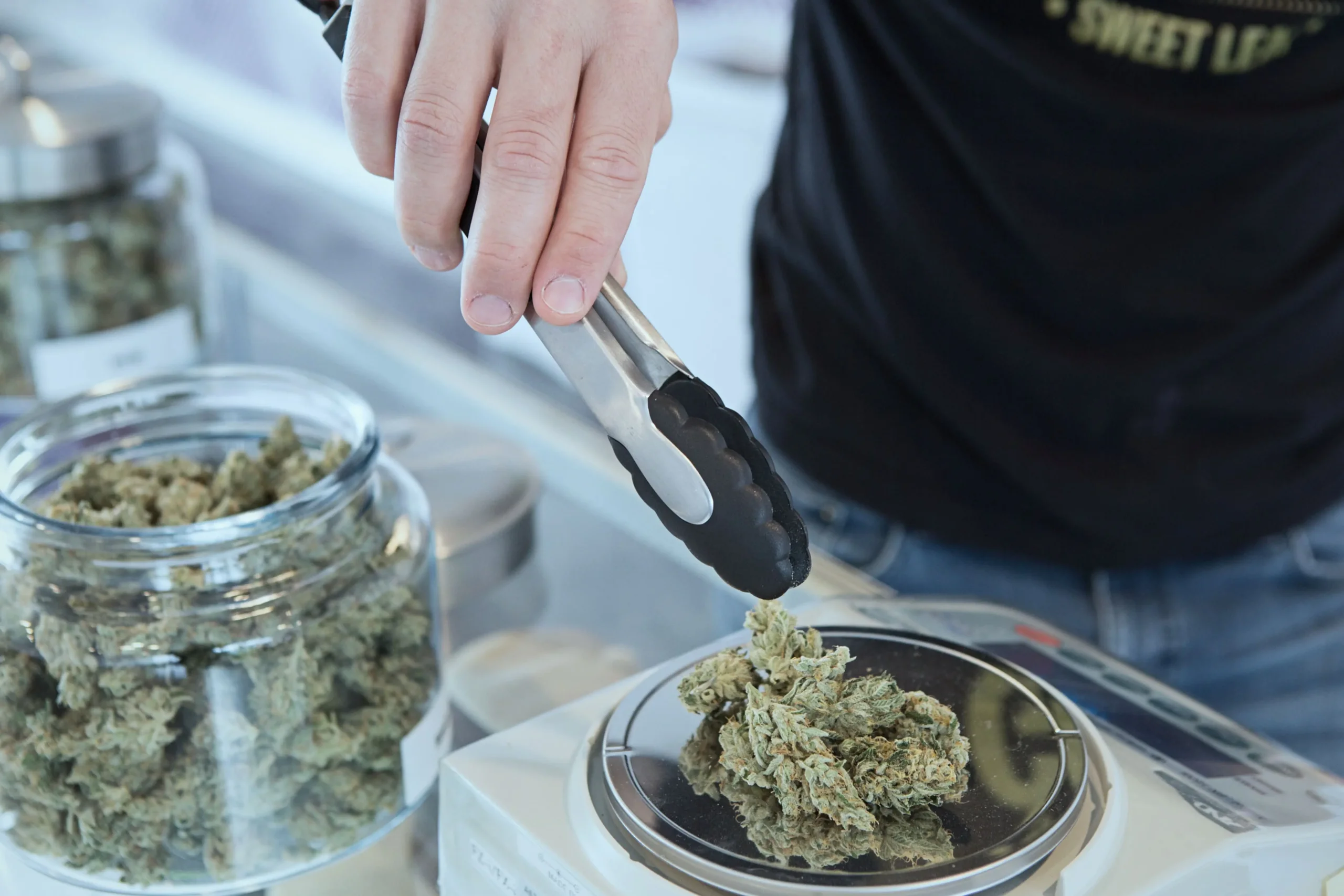
If rescheduling lands and D.C. moves, expect a familiar cascade. Rulemaking that feels like watching paint dry until suddenly it’s your storefront. Long nights over licensing, equity mandates, zoning fights, and whether to cap THC on edibles. Debates about cannabis taxation—how high is too high, how low is a giveaway—and what to do with legal cannabis revenue once it starts flowing to schools, treatment, housing, and the slow work of repairing past harms. And the public mood? Less pearl-clutching, more pragmatic, if recent data is any sign—Americans are signaling a shift in their vices, as captured in More Americans Want To Quit Using Alcohol And Tobacco Than Marijuana In 2026, New Year’s Resolution Poll Finds. In the end, Washington might finally get a cannabis market that looks like the one already operating in plain sight—just safer, regulated, taxed. When you’re ready to explore the elevated side of the plant responsibly, take a quiet stroll through our curated selection here: https://thcaorder.com/shop/.