

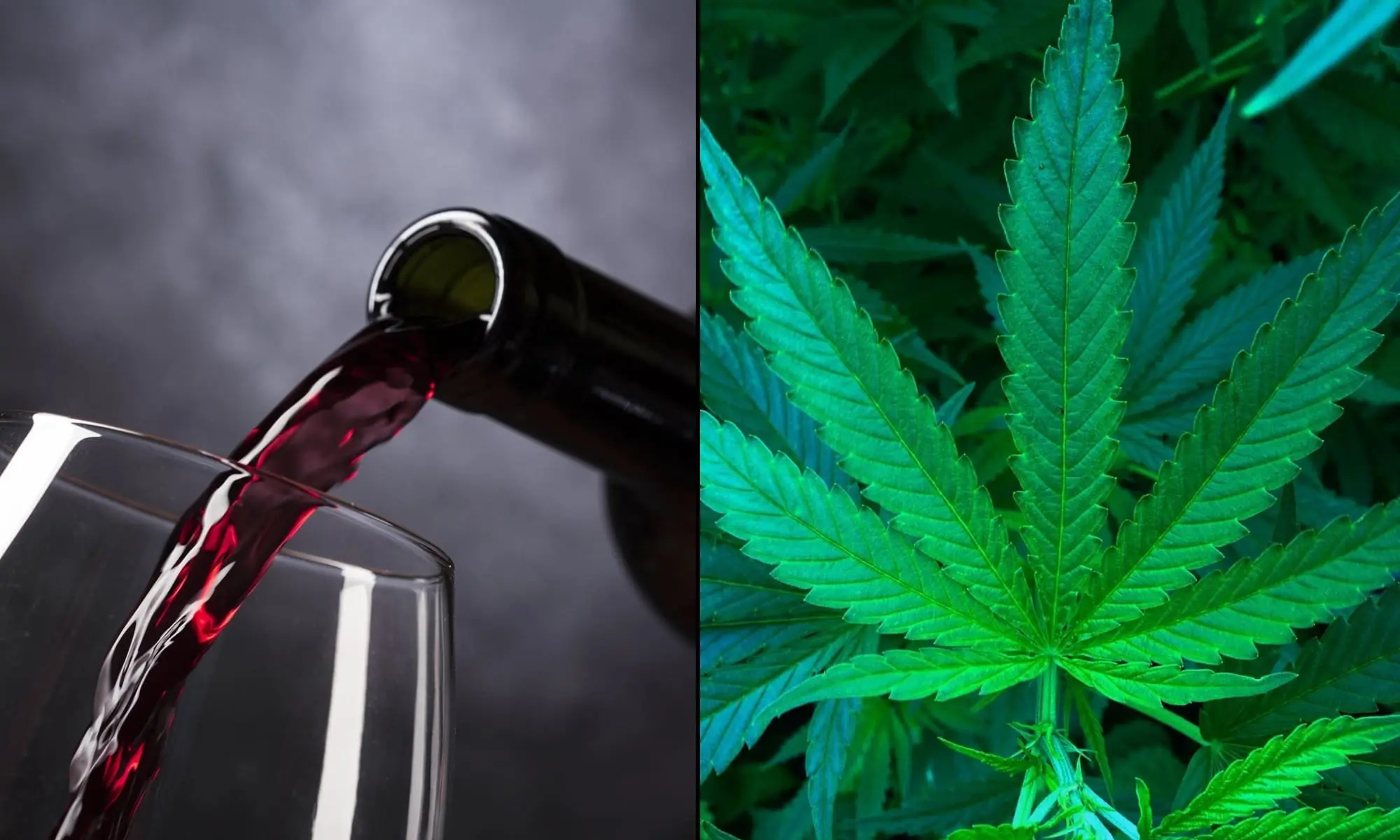
More Americans Want To Quit Using Alcohol And Tobacco Than Marijuana In 2026, New Year’s Resolution Poll Finds
New Year’s resolution marijuana poll: Americans are more likely to ditch booze and smokes than cannabis in 2026. That’s not a lazy Sunday hunch; it’s a clean read of a new Censuswide survey for Northerner.com of 1,003 adults, and it lands like the clink of a glass at last call. Only 8 percent say they plan to reduce or quit marijuana in the new year, compared to 10 percent eyeing alcohol and 12 percent gunning for tobacco. It’s a small reshuffle with big vibes, the kind you feel in the bones of a culture where cannabis has slipped from taboo to tool—and where resolutions are less about punishment and more about calibrating the mix.
By the numbers
- Reduce/quit marijuana: 8%
- Reduce/quit alcohol: 10%
- Reduce/quit tobacco: 12%
- Limit social media: 16%
- Top resolution overall: Improve physical health (35%)
If you want the bones of the dataset, check the visual breakdown from the researchers at Censuswide (see the independence/accomplishment motivations) via this chart. But here’s the texture that sticks: the impulse to cut cannabis is strongest among the young—13 percent of those 21–24 and 12 percent of the 25–34 crowd say they plan to slow or stop. By midlife, that urge thins out: 5 percent for ages 45–54 and 4 percent for 55+. Men are twice as likely as women (12 percent versus 6 percent) to say they’ll pull back on weed, and among those who intend to reduce, 40 percent have tried before and face-planted. Anyone who’s meant to “only take a break” from anything—bread, bourbon, Instagram—knows that familiar gravity. Resolutions are a negotiation with your future self, a handshake you hope you keep.
Why some still want to cut back
When people do aim to throttle their cannabis use, the reasons are pragmatic, not puritan. More than half say easing off would improve their independence and flexibility—the ability to pivot, to travel, to be open to the unplanned. Nearly half think it would help them feel more accomplished, the simple dopamine loop of finishing what you start. And 40 percent frame it as a path to a more active lifestyle and a sharper mental-emotional baseline. This isn’t moral panic; it’s portfolio management. At the same time, cannabis consumption trends continue to rub against alcohol’s old monopoly on after-work decompression. Younger adults, in particular, are swapping or supplementing happy-hour booze with THC drinks and low-dose options, a quiet shift that’s less about rebellion and more about outcomes—sleep, stress, recovery, the next morning’s calendar. Controlled experiments have even suggested people drink significantly less alcohol after using cannabis, a substitution effect that public health folks and the legal cannabis industry are both watching closely.
Policy shapes the vibe
Zoom out and you can see how laws and norms help steer these personal choices. In Florida, lawmakers are pushing and pulling on the medical program from two directions: one proposal would bolster family protections for patients—see New Florida Bill Would Protect Medical Marijuana Patients’ Parental Rights, Including Custody And Visitation
—while another would tighten the screws on how cannabis travels with you, with penalties that could even threaten a patient’s status if they’re caught with an open container in the car: Florida Patients Could Lose Medical Marijuana Registrations For Having Open Containers Of Cannabis In Cars Under New Legislation. On the federal front, the personnel-and-policy churn continues; even establishment nods toward medical access matter when rescheduling hovers over the horizon, as captured in Senate Approves Trump’s White House Drug Czar Pick Who Supports Medical Marijuana As Rescheduling Looms. And in the Midwest, practical reform keeps knocking: a quieter, commonsense bill to decriminalize small amounts and home cultivation reflects how daily life—not grandstanding—moves culture forward: Indiana Lawmaker Files Bill To Legalize Low-Level Marijuana Possession And Cultivation. These policy tremors add up. When your community treats cannabis like a regulated adult product, people resolve with their heads, not their fears.
What it means for 2026
If fewer Americans plan to quit cannabis than alcohol or tobacco, it doesn’t mean we’re all lighting up like it’s a personality trait. It points to a recalibrated risk-reward equation. Cannabis can be ritual or relief, social glue or private medicine, and the new-year energy suggests a willingness to tailor—not torch—those habits. For brands, retailers, and public-health planners, the takeaway is clear: meet consumers where they are. Offer clarity on dose. Support lower-potency formats and no-pressure pauses. Recognize that mental well-being and mobility—literal and figurative—are the currencies that matter. And for the rest of us? Set a resolution that survives a bad day. Drink some water. Take a walk. Call your mother. If cannabis fits, fit it thoughtfully; if it doesn’t, let it go without the melodrama. And when you’re ready to explore clean, compliant options that respect your routine, you can start here: https://thcaorder.com/shop/.