

Indiana Lawmaker Files Bill To Legalize Low-Level Marijuana Possession And Cultivation
Indiana Marijuana Legalization Bill, No Stores: A Non‑Commercial Gamble in the Heartland
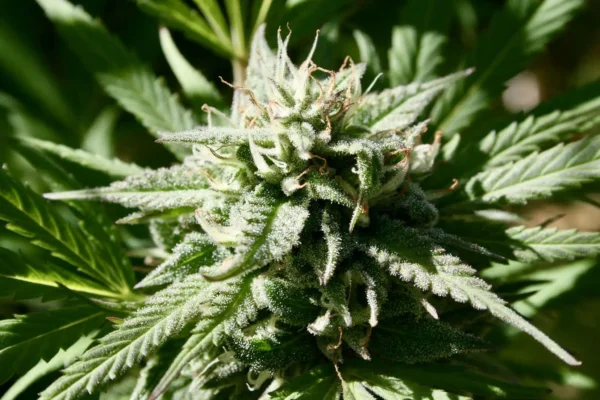
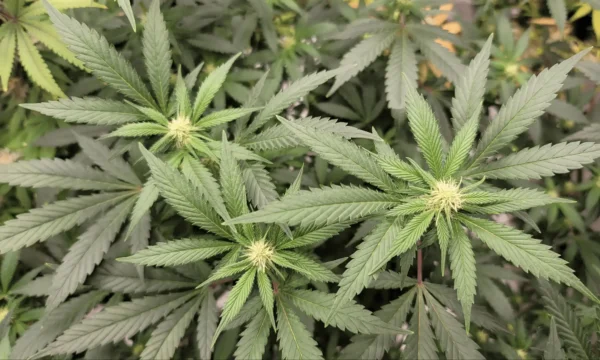
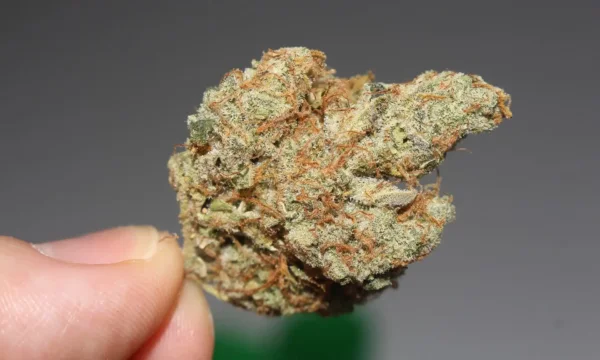
Indiana marijuana legalization bill—say it out loud like a dare. It didn’t kick down the door so much as slide across the bar at last call: Rep. Mitch Gore has filed a proposal to decriminalize the quiet, small-batch life. Under his measure, adults could possess and home-grow up to two ounces of cannabis, no dispensaries, no retail circus, just a non-commercial form of legalization aimed squarely at low-level possession and cultivation. The bill would also nudge a brutal line in the sand: the Level 6 felony threshold for cannabis jumps from 30 grams to four ounces, dialing back the trapdoor that has dropped countless Hoosiers into felony court for a handful of flower. Hash and hash oil remain off-limits—still fully prohibited—and the measure is parked with the House Courts and Criminal Code Committee for its first test. If you want the fine print, the text is posted on the state’s site: HB 1191 details. It’s a spare, pragmatic remix—cannabis policy reform without the retail rollout, designed to defuse criminal consequences while the Indiana cannabis market remains hypothetical.
Non-commercial legalization is a knowing shrug in a world wired for transactions. No storefronts, no tax stamps, no seed-to-sale trackers humming under fluorescent lights. You grow a few plants, you hold your two ounces, and life goes on—if the cops and the courts agree that life should go on. The felony threshold change matters; it tells police and prosecutors to stop treating a modest bag as a prison ticket. It also draws bright lines where the gray can get you burned: concentrates stay illegal; one bad decision with a dab pen still wrecks a record. And because there’s no regulated retail, the bill leaves open the everyday frictions—where seeds come from, what “sharing” means, how landlords or employers handle possession. Around the country, lawmakers are experimenting with surgical fixes for the human edge of this issue; one bill in Virginia would carve out hospital access for people in their final chapters—see Terminally Ill Patients Could Use Medical Marijuana In Virginia Hospitals Under Newly Filed Bill. Indiana’s play is different: widen the exit door from the criminal system first, argue over retail later.
Politics in Indianapolis, though, is the kind of room where the music never gets too loud. Reform advocates have been pushing against a conservative wall for years. The governor, Mike Braun, signaled recently that federal momentum—a move by President Donald Trump to reschedule marijuana to Schedule III—could add “a little bit of fire” to Indiana’s slow burn, and he’s said he’s amenable to medical legalization. But not everyone is warming to the flame. Sen. Jim Banks has made it plain he wants none of it; he doesn’t want to “smell it on the streets,” and he’d rather Indiana sit this dance out. Meanwhile, a statewide poll suggests nearly nine in ten adults are past ready. That’s the tension: a legislature tapping the brakes while voters ride the gas. And it isn’t just Indiana. Across the border, party leadership is still throwing cold water on reform, as chronicled in Top Wisconsin GOP Lawmaker Says State Isn’t Ready To Legalize Medical Marijuana, Criticizing Trump’s Rescheduling Move. The Midwest loves a cautionary tale.
Even if Washington’s schedule shuffle takes root, the federal fog doesn’t lift so easily. Bankers still fret, insurers hedge, and anyone trying to straddle “cannabis” and “public benefit” learns the hard way that federal prohibition still has teeth. Case in point: the taxman’s rigid spine in IRS Denies Marijuana Tourism Group’s Request For Nonprofit Tax-Exempt Status, Citing Ongoing Federal Prohibition. Indiana’s bill sidesteps much of that by avoiding a commercial market altogether. No stores means no merchant accounts or armored cash runs, no excise rates to fight over, no glossy packaging rules or misplaced ad buys. It means, for now, the “cannabis industry” doesn’t arrive—just people in their homes tending plants, trying not to get arrested. But the absence of a regulated system also creates gaps: no tested products, no consumer safety standards, no straightforward pathway for patients who don’t want to grow. The committee holding the bill knows all of this; the question is whether lawmakers are willing to accept a stripped-down peace to end a long, wasteful war on petty possession.
And that war always comes back to money and courts. Critics often sneer that supporters chase tax windfalls, yet this measure leaves cash on the table by design. If the goal were quick revenue, this isn’t it. But the second Indiana does consider commercial sales, the fight will turn to tax rates, local control, and who gets what slice—a punch-up already underway in neighboring markets. Look at the court-rattled tax debates up north in Michigan Judge Allows Lawsuit Challenging New Marijuana Tax To Proceed. In cannabis, judges become accidental referees to policy made on the fly. Indiana’s non-commercial proposal is a reset button, a way to stop criminalizing little things while the state watches the rest of the country’s marathon from the curb. Whether lawmakers take that modest, humane step will tell you everything about whose discomfort matters more in the Statehouse—voters’, cops’, or the political class’s. If you’re watching this story like a late-night chess match and want a taste of where the legal market is heading, explore our shop at thcaorder.com/shop.