



Michigan Judge Allows Lawsuit Challenging New Marijuana Tax To Proceed
Michigan Marijuana Tax Increase Faces the Heat
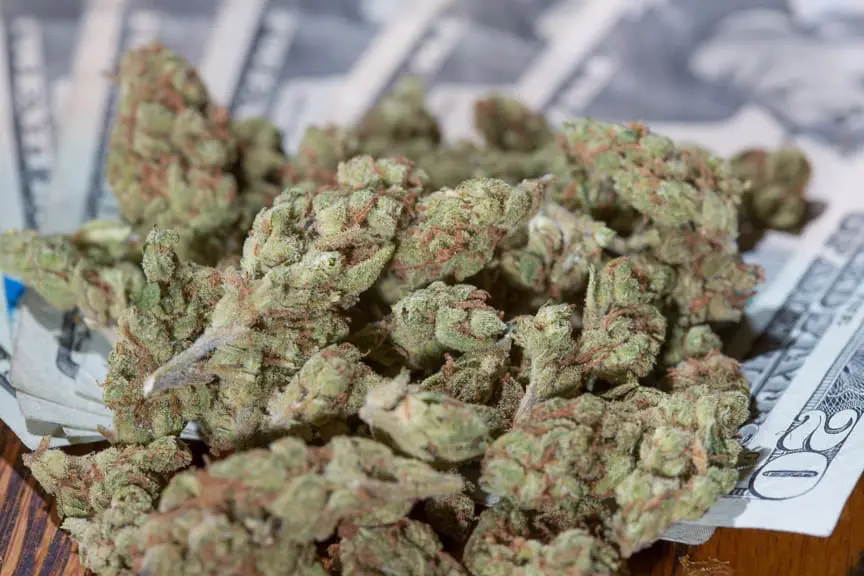
Michigan marijuana tax increase. Say it out loud and you can almost taste the politics on your tongue—bitter, a little metallic, like chewing a penny. The state’s new 24 percent wholesale excise tax wandered into 2026 with swagger, took effect on January 1, and immediately found itself under the hot lights of a courtroom. Judge Sima G. Patel, of the Court of Claims, just denied the state’s bid to rehear its motion to toss the industry’s challenge, letting the lawsuit stalk forward like a patient wolf. This isn’t a street fight about retail sticker shock alone; it’s a question about whether lawmakers rewrote the rules voters set in 2018, the year Michiganders told the state to legalize adult-use cannabis. And underneath the legal choreography, the cannabis industry impact feels personal: small operators stretched thin, margins shaved down to bone, and a Michigan cannabis market that’s been defined by price wars now measuring its future in grams, pennies, and patience. Call it cannabis taxation with soul—because whoever pays, pays in more than dollars.
The Lawsuit’s Spine: A Voter-Made Law, a Legislature-Made Tax
Back in October, the Michigan Cannabis Industry Association sued, arguing the 24 percent wholesale levy tinkers with the intent of the voter-initiated law—an alleged breach of the state constitution’s guardrails. In early December, Judge Patel refused to block the tax from taking effect, yet kept the courthouse door open for a full trial. This week, she doubled down on that middle lane—no rehearing for the state, because questions of fact are still breathing and loud. There’s a simple, hard-edged point at the center: does this tax undercut what voters intended when they legalized? The court wants discovery to find out. As Judge Patel put it in her order, “It is not certain on this record whether the 24 percent wholesale excise tax will impact prices to the extent purchasers will be driven to the illicit marijuana market.” That line isn’t poetry—it’s a test, and the answer will ride on data, not vibes. If you want the primary source, the ruling’s right here in black and white in the Court of Claims docket (PDF).
Where the Rubber Meets the Road: Prices, Margins, and the Illicit Shadow
Wholesale taxes don’t politely stay in the warehouse. They seep into every joint, gummy, and gram on the shelf. In a market already famed for rock-bottom prices, a 24 percent bite at the wholesale level magnifies every mistake and punishes every inefficiency. Consumers aren’t ideologues; they’re kitchen-table accountants. Squeeze the legal market hard enough and some will drift back to the illicit market where the taxman doesn’t knock. That’s the fear industry advocates keep repeating, and it’s not abstract. It’s about whether the corner dispensary keeps the lights on and whether legal cannabis revenue meets its rosy projections or limps along, outmaneuvered by a shadow economy with no compliance costs. Meanwhile, the political winds shift above the canopy. At the federal level, power brokers blinked and moved on from a blockade strategy, as noted in Congressional Leaders Drop Attempt To Block Marijuana Rescheduling, While Preserving State Medical Cannabis Protections. And down in the subtropics, the fight over what voters get to decide is its own cage match—see the ballot-war backdrop in Florida Attorney General Asks Supreme Court To Block Marijuana Legalization Measure From Ballot. Different arenas, same referee whistle: who gets to define marijuana policy reform—the people, or the people they elect?
The Politics of Fear, the Bureaucracy of Caution
Talk long enough about cannabis taxation and sooner or later someone reaches for the oldest match in the box: fear. You’ve heard the line, the one about cannabis as a “gateway,” a neat little ghost story hauled out whenever reform threatens the status quo. It’s still echoing in Washington, captured in GOP Senator Claims Marijuana Is A ‘Gateway Drug,’ Voicing Opposition To Trump’s Rescheduling Order. But fear is just one instrument. The other is the steady drum of process—hearings, appeals, and the slow grind of agencies that outlast any news cycle. Even with executive directives and big headlines, the machinery moves at its own pace, as the timeline in DEA Says Marijuana Rescheduling Appeal Process ‘Remains Pending’ Despite Trump’s Executive Order makes painfully clear. Michigan’s courtroom skirmish fits right into that national choreography. The state argues the tax is a lawful policy choice. The industry says it warps voter intent and funnels buyers to illegal sellers. The judge says: prove it. In a room lit by fluorescent bulbs, not slogans, data trumps dogma.
What Comes Next, and Why It Matters
Now the case digs into discovery. Expect expert reports, spreadsheets, and testimony from operators who’ve got calluses where the rest of us have opinions. The Michigan Cannabis Industry Association celebrated the latest ruling as a win for voters and for the businesses still hustling to build a stable market. The state asked for reconsideration and didn’t get it. The plaintiffs want the Michigan Court of Appeals to take a wider look—an ask that could shape the tempo of whatever trial follows. However this breaks, it will sketch a map for cannabis markets grappling with the same question: how much tax can a legal ecosystem carry before the illicit market starts to look like a bargain again? For a straight-from-the-source account of the ruling’s arc, see the reporting at Michigan Advance. And if you’re ready to experience the legal market’s craft and care—born of regulation, compliance, and no small amount of grit—step into our curated catalog here: https://thcaorder.com/shop/.