
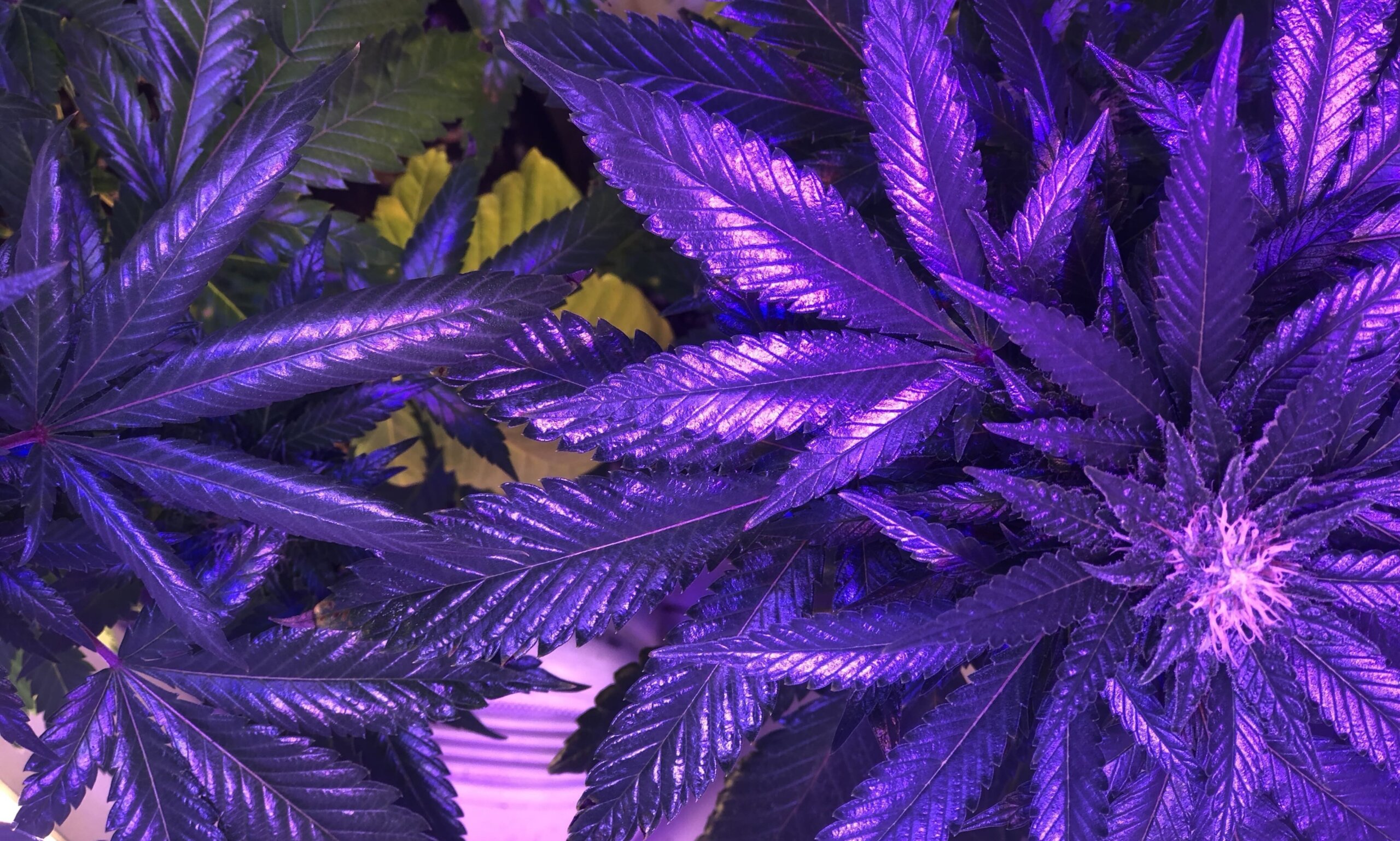
GOP Senator Claims Marijuana Is A ‘Gateway Drug,’ Voicing Opposition To Trump’s Rescheduling Order
Marijuana rescheduling order. The phrase sounds clinical, like a hospital corridor at 3 a.m., but out here it’s a street fight. In Florida, a familiar ghost—the old “gateway drug” story—still haunts the room. A Republican senator from the Sunshine State isn’t budging, even as a presidential directive tells the feds to move cannabis from Schedule I to Schedule III under the Controlled Substances Act. He cites loss, a brother gone to overdose, and says he “understands medicinal marijuana,” because voters there legalized that years ago. But adult use? A majority backed it, yet it failed to clear Florida’s 60 percent supermajority—close enough to smell, not close enough to taste. Pressed on whether rescheduling could free research, he offered a shrug in twelve syllables: “Why don’t we just do the research?” The subtext hangs heavy—permission granted to study the tree, as long as it doesn’t become a forest.
Schedule I, Schedule III, and the politics of fear
Here’s the rub: rescheduling isn’t legalization. It’s a paperwork pivot with real teeth. Schedule III status would recognize medical value, loosen research choke points, and dial back some of the punitive federal contradictions that have left the cannabis industry running a marathon in ankle weights. But in Washington, the arguments aren’t just pharmacology—they’re folklore. A bloc of lawmakers already tried a last-ditch push to kill the move, invoking that old gateway incantation as if rhetoric could rewind the science. Meanwhile, the culture keeps shifting. Doctors talk about cannabinoid therapies with the same matter-of-fact cadence they used to reserve for antibiotics. Patients—cancer survivors, chronic pain warriors—know what helps them sleep and what gets them through the day without white-knuckle dependence. And yet, a senator’s skepticism lingers: if research is the passport, why not stamp it, expedite it, and stop pretending the border doesn’t exist?
Voters want a map, not a maze
Out in the real world, polling says most Americans—even many conservatives—favor some form of legalization, while Republicans as a group split down the middle. Florida remains its own riddle: broad support, steep threshold, a ballot box that rewards overwhelming consensus and punishes anything less. Activists are pushing for another vote, but litigation and invalidated signatures gum up the works like sugar in a gas tank. The country keeps moving anyway. On the other side of I-95, state lawmakers are rewriting the rules and testing the edges of what “reform” means. For a taste of that evolving patchwork, see how a Northeastern legislature is weighing bigger personal limits and regulatory overhauls in Massachusetts Bill To Double Marijuana Possession Limit And Revise Regulatory Framework Heads To Conference Committee. The state-by-state grind isn’t pretty—sausage-making never is—but it’s where the practical future of cannabis gets built while D.C. argues over the dictionary.
Inside the federal machine
The federal process still creaks forward, all gears and caution. Rescheduling remains pending, an administrative marathon with water breaks for interagency review and potential court fights. Even with a presidential nudge, the bureaucracy keeps its own time. That’s why the fine print matters: timelines to finalize, public comments, petitions for reconsideration—none of it moves at the speed of public patience. For a snapshot of that slow churn, consider the unresolved status captured in DEA Says Marijuana Rescheduling Appeal Process ‘Remains Pending’ Despite Trump’s Executive Order. And while cannabis inches toward Schedule III, other corners of drug policy are evolving in their own weirdly pragmatic ways: research pipelines opening, therapeutic questions getting oxygen. The quiet but telling shift shows up in moves like DEA Boosts Legal Production Levels For Psychedelics Like Psilocybin And DMT In Final Rule For 2026—a sign that, lurking beneath the moral panic, the science is negotiating its parole.
Back on the stump, the rhetoric is loud. But listen closely and you hear something else: a reluctant consensus forming around the obvious. Cannabis can help some people. It won’t save everyone. It isn’t the devil; it isn’t a cure-all. A former president has even called it a potential substitute for more dangerous opioid painkillers, a practical admission wrapped in political caution. The money is here too, as it always is when policy meets scale. Industry and politics flirt in plain sight, evident in campaign filings like Marijuana Industry Political Committee Gave Another $1.05 Million To Trump’s Super PAC Ahead Of Rescheduling Order, FEC Filings Show. So we circle back to the senator’s refrain: do the research. Fine. Fund it. Unshackle it. Let doctors and data lead. And for everyone trying to navigate this maze without the moral panic, remember there are compliant paths to explore—when you’re ready, take a look at our shop: https://thcaorder.com/shop/.