




California Officials Award $30 Million In Marijuana Revenue To Support Research On THC Drinks, Terpenes And Tribal Cannabis Sales
California’s $30 million bet on answers
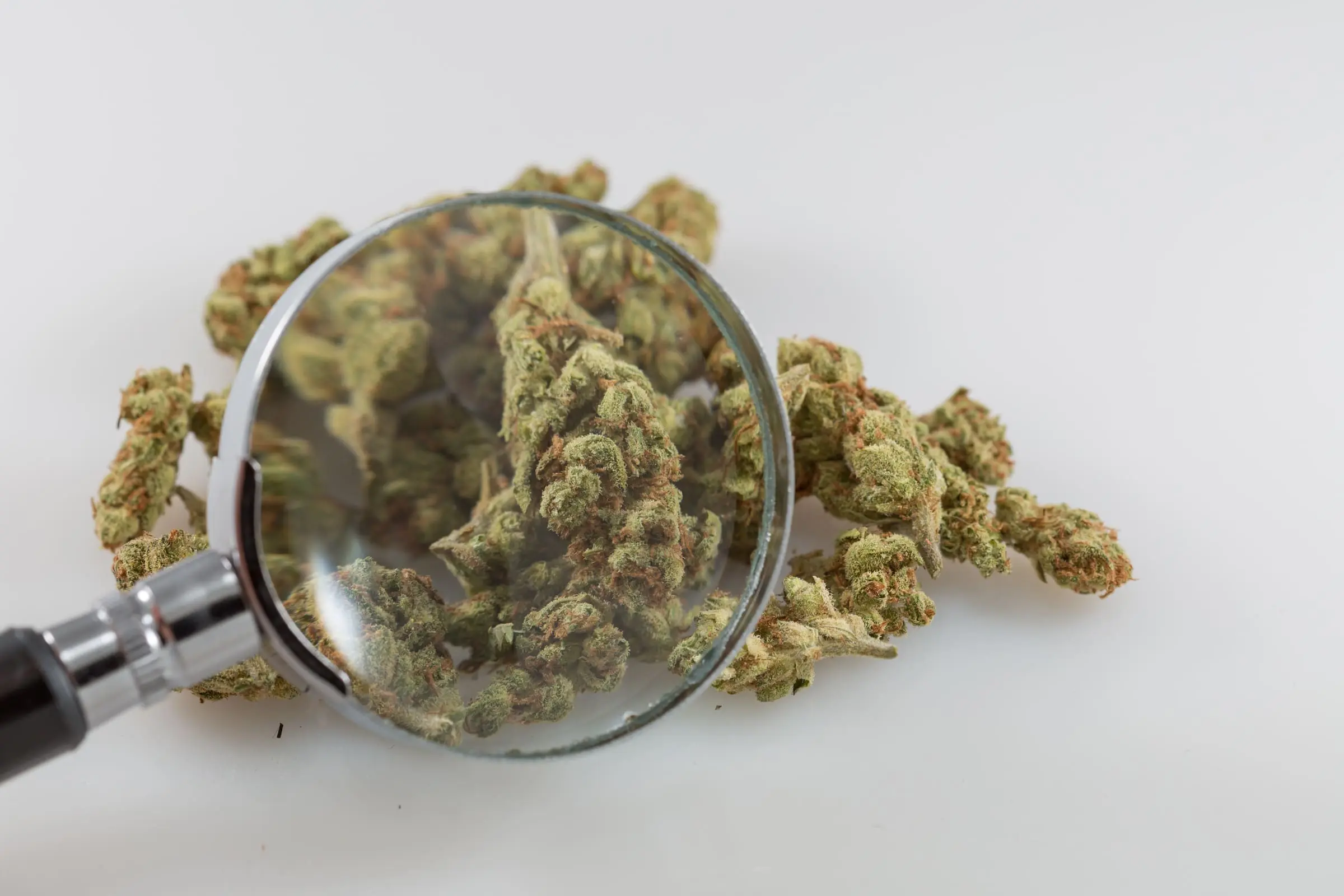
California marijuana research grants just got a fresh $30 million shot in the arm, the kind of public investment that tells you a state is done guessing and ready to measure. Funded by marijuana tax revenue and now in its third round—bringing total awards to roughly $80 million—the new slate of studies chases questions that matter on the street and in the lab: THC beverages and impairment, terpene fingerprints and flavor rules, tribal cannabis market pathways, older adults navigating potency versus price, crop yields that swing with the seasons, and the environmental footprint of licensure. It’s the California cannabis market studying itself in a cracked mirror—unflinching, a little bruised, but determined to get the science right for a legal cannabis revenue system that needs to grow up without losing the plot.
The Department of Cannabis Control (DCC) didn’t just throw darts. They prioritized research with real-world traction: public health education that changes behavior, smarter cannabis taxation, data-driven policy, consumer preferences that actually reflect how people shop, and sustainability that lives beyond press releases. They also promised sunlight. As the agency put it, All research findings will be made available at no cost to the public
—a nod to transparency that could shift national conversations as much as it informs local rules. You can trace the priorities in their Monday announcement and program materials straight from the source, including the press note on methodology and goals and the evolving roster of awardees and projects, via DCC’s release and grants hub (press release; grant program). Out of 149 proposals, they picked those with rigorous methods and clear potential to improve public understanding and guide policymaking. That’s not academic navel-gazing—it’s the scaffolding for rules that keep people safer while letting a regulated industry breathe.
The lineup reads like a tasting menu for a maturing market. UC San Francisco will scrutinize the clinical pharmacology of THC-infused beverages—onset, absorption, duration—so a casual low-dose sipper doesn’t turn into a cautionary tale. UCLA will push the frontier of cannabinoid therapeutics with a $2 million dive into synthesis, binding, safety, and computation, while UC San Diego splits its attention between older adults’ product choices and the cold, hard math of price and tax trends across more than twenty states, decoding how consumers respond when the sticker price and excise bite change. On the supply side, UC Berkeley plans to map cannabis crop yields across indoor, outdoor, and mixed-light grows—an overlooked metric that can sharpen market forecasts and compliance oversight. Another Berkeley team will quantify how licensure affects water use, habitat protection, and pesticide practices, because “legal” should mean better for the watershed, not just better for the spreadsheet. San Diego State will put silicone wristbands to work to capture real-time exposure to pesticides and allergens among cannabis workers, filling a long-neglected occupational safety gap. And for the flavor-obsessed, a UCLA study will build a reference dataset of naturally occurring organoleptic compounds to help regulators separate authentic terpene profiles from prohibited additives—part chemistry, part consumer protection, and a necessary step toward sensible inhalable product standards.
Policy never moves in a straight line, and California’s recent choices prove it. The governor vetoed a bill that would have let certain microbusinesses ship medical cannabis through common carriers, calling the logistics too messy. He also signed a measure to speed up cannabis and psychedelics research, while hitting pause on a looming marijuana tax hike—an acknowledgement that overtaxing can send customers scurrying back to the illicit market and kneecap revenue stability. Meanwhile, community reinvestment from cannabis taxation continues—a separate state program recently steered more than $50 million to nonprofits and local health departments. Zoom out, and the state’s research push sits inside a bigger national arc: a year loaded with federal and state crosswinds, from rescheduling headlines and legalization momentum—see Marijuana Saw Some Big Moments In 2025—From Trump’s Rescheduling Order To State Legalization Momentum—to public opinion that keeps tilting green, as reflected in a new survey breakdown here: Bipartisan Majority Of American Voters Support Marijuana Legalization, New Poll Finds After Trump Orders Rescheduling. And beyond California’s borders, regulators are tightening the bolts on hemp-derived markets—Texas is taking public comment on labeling, age limits, and fees (Texas Officials Invite Comment On New Hemp Rules Covering Age Limits, Licensing Fees, Labeling And More)—while voters in the Midwest fight to protect gains against rollback attempts (Ohio Activists Submit Signatures For Referendum To Block Lawmakers’ Move To Roll Back Marijuana Legalization And Restrict Hemp).
What’s the endgame? If California sticks the landing, these cannabis industry impact studies turn into guardrails. They sharpen labeling so a five-milligram beverage is truly five milligrams. They set evidence-based thresholds for cannabinoids with therapeutic promise and tease out early-life risks without panic or denial. They codify how tribal–state partnerships can honor sovereignty while expanding safe access. They anchor occupational safeguards so workers aren’t canaries in pesticide-laced grow rooms. They trace the environmental delta between licensed and unlicensed land and push cultivators toward better water and habitat practices. Most of all, they convert cannabis taxation into a feedback loop—legal cannabis revenue funding the science that strengthens marijuana policy reform and steadies the Michigan-or-else tax spiral other states have flirted with. When the data drops, expect it to ripple through packaging rules, taxation models, and enforcement priorities. Until then, pour something neat, keep your curiosity sharp, and if you’re inspired to explore compliant, high-end options, visit our shop here: https://thcaorder.com/shop/.