

Kansas Attorney General And Law Enforcement Sued Over Raids On Hemp Businesses
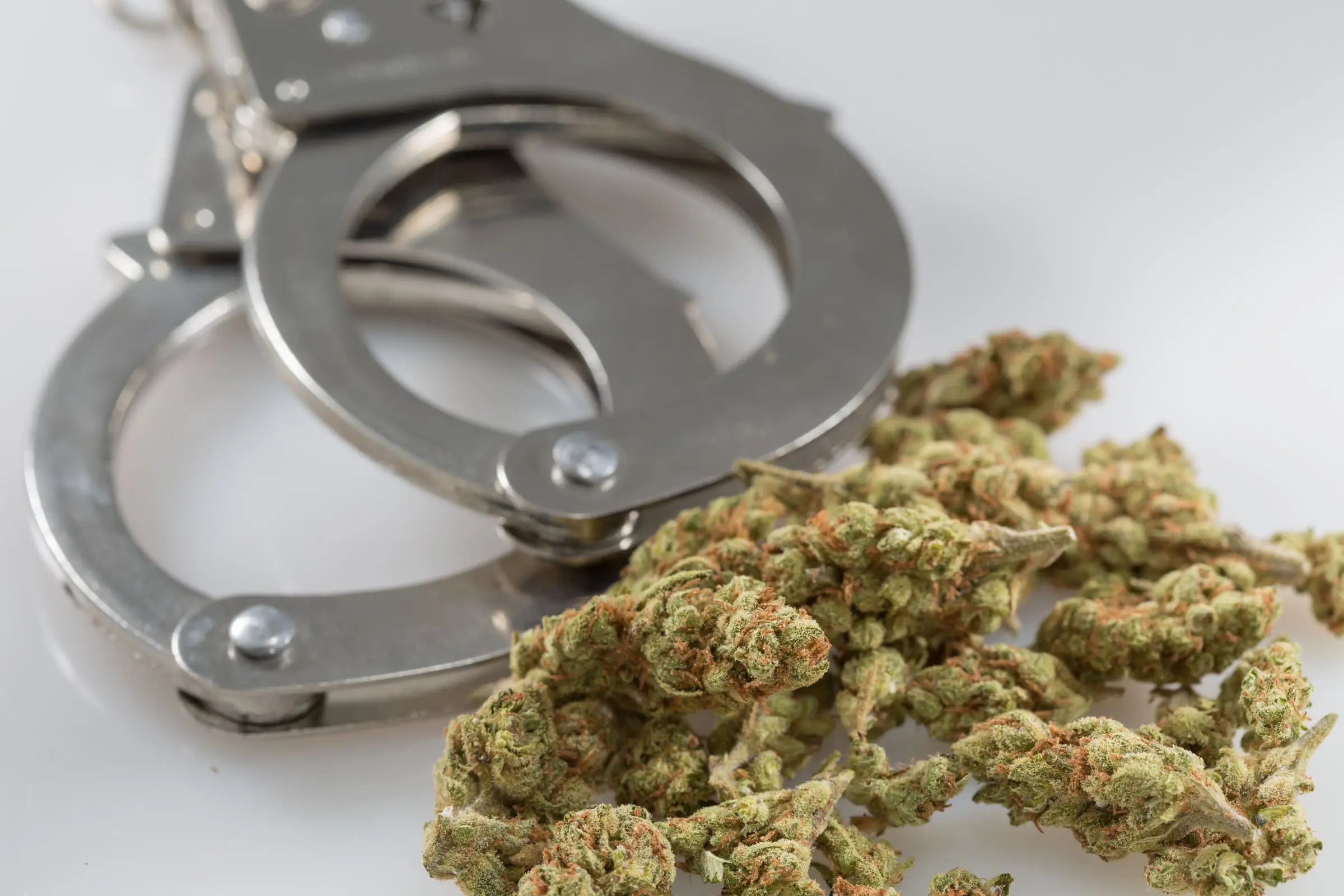
Kansas hemp raids lawsuit. Say it out loud and you can taste the dust and adrenaline. In October, under the long prairie shadow of the statehouse, agents hauled into CBD and vape shops across Kansas with more than a dozen search warrants and a sermon about “weed dealers” and kids in danger. The Kansas Bureau of Investigation, backed by Attorney General Kris Kobach, called it a “marijuana enforcement operation.” To the shop owners, it felt like a midnight kitchen raid: lights on, hands up, inventory boxed and gone. This is the heart of the Kansas cannabis market right now—where hemp-derived THC swims the narrow channel of a 0.3 percent Delta-9 limit, and a single decimal place can decide whether your livelihood is lawful or contraband. If you’re tracking marijuana policy reform and the uneven, often punitive edge of cannabis enforcement, this is ground zero, where legality is measured in micromoles and interpreted by whoever’s holding the clipboard.
On paper, the statute’s simple: hemp products are legal if Delta-9 THC stays at or below 0.3 percent. In practice, the border is fog and the gatekeepers carry gas chromatographs. After the raids, McPherson shop owner Mike Ballinger—whose Hanging Leaf storefront saw roughly $7,000 in inventory and cash seized, including money tied to an unrelated business—filed suit. Former U.S. attorney Barry Grissom and attorney Jake Miller are arguing the law is unconstitutionally vague, that the state’s testing protocol can flag THC without proving origin, and that compliant goods were swept up as collateral damage. They want an injunction to stop further raids and to compel the return of seized property. The complaint paints a picture of arbitrary enforcement that chills protected business activity, and it lands with the blunt force of a ledger gone red.
“Store owners have had varying amounts of legal products seized with no recourse to recover the products or the potential profits from those products.”
That’s not just a line in a filing; it’s payroll missed, leases in jeopardy, and the particular ache of being told you followed the rules only to watch your shelves go empty under blue lights.
The broader map doesn’t make this simpler. Across the country, “intoxicating hemp” is a regulatory Rorschach test. Some states sharpen the edges; some smudge them. Alabama, for instance, moved to clarify what’s in bounds and what’s a bridge too far, with Alabama Regulators Approve Hemp Product Rule Despite Opposition From Key Lawmaker signaling a desire to regulate without nuking an entire sector. Then there’s Ohio, where a fresh coat of legality quickly runs into old habits: the governor just signed a bill that recriminalizes certain marijuana activity while spiking a temporary lane for THC beverages—see Ohio Governor Signs Bill To Recriminalize Some Marijuana Activity, Vetoing Provision To Allow THC Drinks For A Year. That’s the patchwork: a quilt of caution tape and carve-outs. Kansas isn’t alone in confusion, but it’s perfecting a particularly Midwestern flavor of it—polite on the surface, punitive underneath—where compliance-minded shopkeepers now lawyer up, lab reports in hand, waiting for a judge to define the word “legal” in real time.
Hovering over all of this is the national whisper that maybe, just maybe, federal rescheduling will turn down the heat. The politics crackle like bacon in a too-small pan. Some state lawmakers argue that moving marijuana down the scheduling ladder could grease the skids for local reform and sane enforcement, an argument captured in Trump’s Marijuana Rescheduling Move Could Boost State Legalization Efforts, Lawmakers In Pennsylvania And Tennessee Say. But the signal is never clean. There are claims and counterclaims about who’s calling the shots and who’s calling at all, including allegations that campaign-trail denials don’t match the inbox reality—see Trump Lied About Not Getting Any Calls Against Marijuana Rescheduling, GOP Senator Suggests. It’s theater with real consequences. While the feds juggle scheduling, states improvise policy, and local cops serve warrants, the people caught in the middle are the ones counting receipts and learning, fast, how to pronounce “tetrahydrocannabinol” to a judge who may not care about the difference between a hemp gummy and a joint.
Back on the ground in Kansas, the fight is less ideological than operational. Lab methods matter. Gas chromatography can be a blunt instrument if the question is origin; it tells you that THC exists, not whether it was born from hemp neatly tucked under the 0.3 percent Delta-9 ceiling or from cannabis that would spook a narcotics dog. When that nuance gets lost, so do inventories, reputations, and the fragile trust that keeps the legal hemp economy from sliding back into a gray-market shrug. The cannabis industry impact here is immediate: business owners tighten compliance, diversify testing, and build war chests for legal defense, while consumers get spooked into driving across borders where the rules are clearer. If Kansas wants a stable, lawful marketplace, it needs precision—clear statutes, validated testing protocols, and enforcement that distinguishes bad actors from legitimate retailers. Until then, expect more raids, more lawsuits, and more shopkeepers waking up to find the thin line between “legal hemp products” and “contraband” drawn by a pen they didn’t get to hold. And if you want to navigate this space with intention instead of vibes, start by knowing your source and your standards—then take a look at what’s compliant and curated in our collection here: https://thcaorder.com/shop/.