
Trump’s Marijuana Rescheduling Move Could Boost State Legalization Efforts, Lawmakers In Pennsylvania And Tennessee Say
Trump’s marijuana rescheduling to Schedule III landed like a shot of mezcal at last call—smoky, surprising, and impossible to ignore. The executive order instructs the attorney general to begin moving cannabis from Schedule I to Schedule III under the Controlled Substances Act, a bureaucratic elevator ride with very real effects: research barriers loosen, 280E’s punishing tax hand loosens its grip, accountants breathe, and scientists sharpen their pencils. It doesn’t legalize cannabis. Not federally. Not yet. But politics runs on vibes and signals, and a Republican president publicly acknowledging medical value is the kind of signal that turns “maybe next session” into “let’s draft the bill.” Call it marijuana policy reform by mood swing—still illegal under federal law, but suddenly more plausible, less radioactive, and primed to change the cannabis industry impact calculus in statehouses where the votes have always been one metaphorical drink away.
Pennsylvania heard the bell loudest. In Harrisburg, Democrats and Republicans who’ve been circling adult-use legalization for years now have cover to step into the light. Rep. Emily Kinkead says the move could finally grease the wheels for a 2026 legalization push; she told local TV it mirrors what the public already believes—that legalization is bipartisan and overdue (CBS Pittsburgh). Her GOP co-sponsor, Rep. Abby Major, points to overwhelming support and wants to channel the momentum into an adult-use framework. Chair of the House Health Committee Dan Frankel calls it a meaningful shield for patients and providers in the medical marijuana program. Sen. Dan Laughlin says the science never supported Schedule I in the first place; Sen. Sharif Street warns it’s only a first step without expungements and equity. Across the hall, Senate Majority Leader Joe Pittman still wants uniform federal policy before greenlighting recreational sales, dismissing earlier House proposals as unserious. Welcome to the Pennsylvania split-screen: one side smelling legal cannabis revenue and regulatory clarity, the other side tasting legal risk and political heat. And layered over it all, the whiplash of national messaging—see the scrutiny of White House claims in Trump Lied About Not Getting Any Calls Against Marijuana Rescheduling, GOP Senator Suggests—has legislators reading the room, then checking the exits.
Tennessee is treating the news like a cautious first bite, not the whole meal. House Speaker Cameron Sexton called rescheduling a “first step,” and rattled off the practical questions that actually make a market: Who manufactures? Who tests? Who distributes? What qualifies, and when does FDA guidance matter? (The Tennessean.) House Majority Leader William Lamberth, who’s been quick to crack down on intoxicating hemp products, said any scientifically grounded change to federal scheduling will be weighed as they build a legal framework for substances the state still treats as dangerous. On the other side of the aisle, Sen. London Lamar says if Washington can acknowledge reality, Nashville can too—cannabis reform can be about freedom, public health, research, and budget sanity, not just culture war reflexes (WSMV). Yet resistance isn’t vapor; it’s organized. Look no further than red-state legal chiefs framing rescheduling as a public safety risk, a theme that’s flared in litigation and letters cataloged in GOP State Attorneys General Push Back On Trump’s Marijuana Move, Saying It Could Harm ‘The Safety Of Our Citizens’. In short: Tennessee’s weighing spreadsheets and scalpels, not slogans.
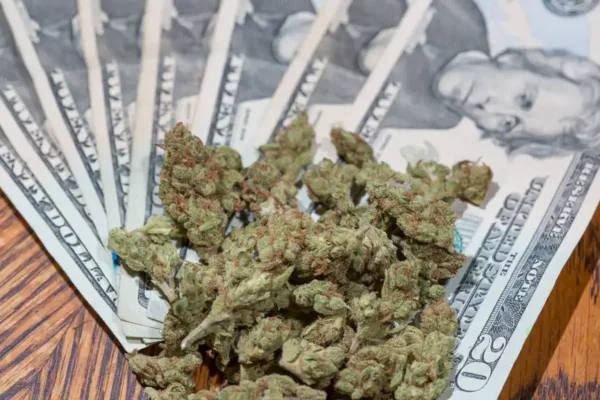
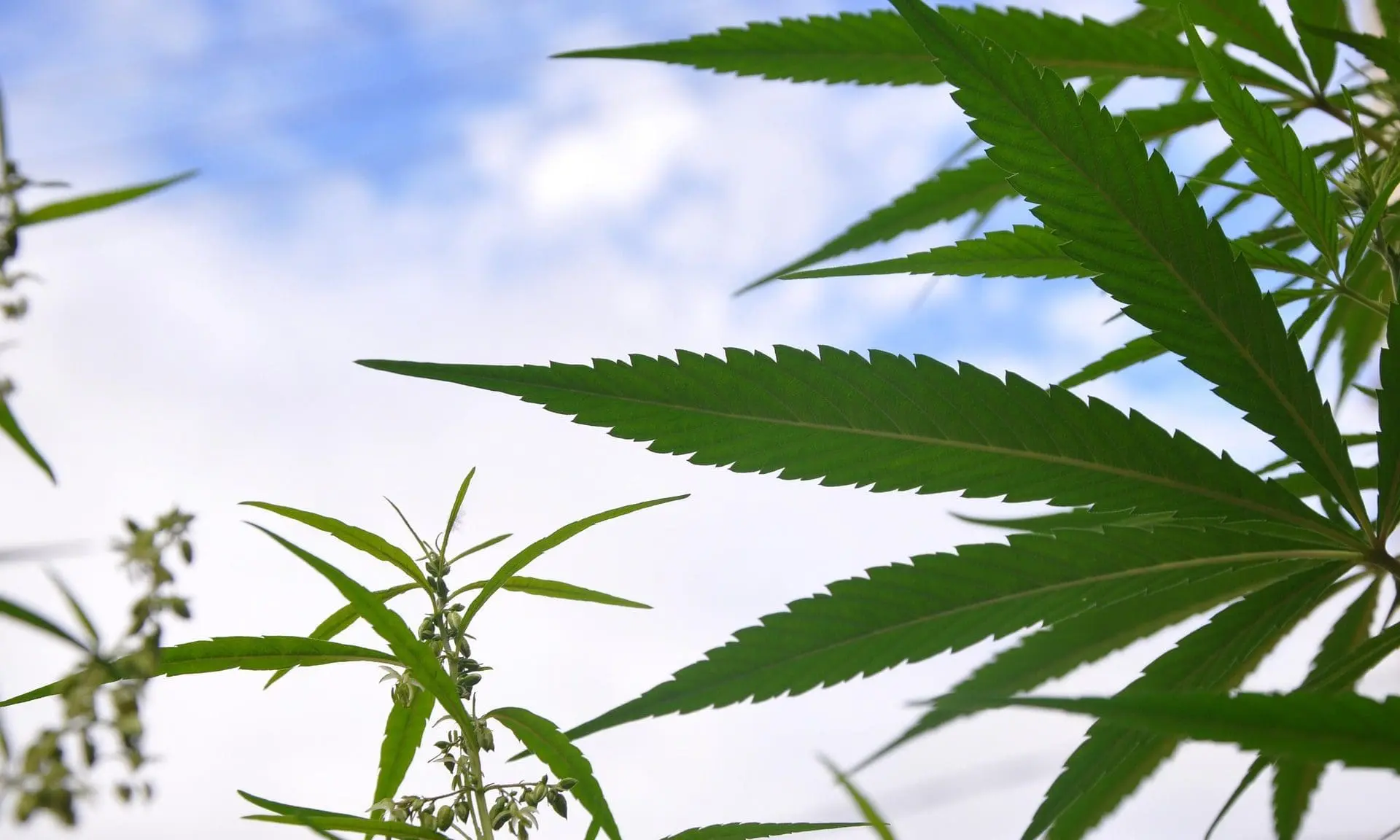
Then there’s Wyoming, where the law is a tripwire, not a green light. State Attorney General Keith Kautz says a “trigger” statute could force a reclassification within 30 days of the federal change—unless the state explains why it won’t mirror Washington. Translation: if the U.S. attorney general seals the Schedule III deal, Cheyenne has a month to align or justify a delay (Cowboy State Daily). It’s the cleanest example of how federal tweaks can yank state dockets into motion. But don’t mistake movement for mercy. Federal lands slice through Wyoming like marble in a ribeye, and prosecutors there have already said they’ll pursue marijuana possession on that turf with rigor. Schedule III doesn’t erase criminal liability in national parks or forests; it just makes the surrounding terrain more navigable for researchers, doctors, and businesses no longer strangled by 280E’s tax noose. That tension is the national story now: a legal map that’s cleaner around the edges and jagged in the middle. Photo courtesy of Max Pixel.
Zoom out and the picture sharpens. Rescheduling tells lawmakers the sky won’t fall if they modernize their codes; it tells universities they can study the plant without a SWAT team in the footnotes; it tells CFOs that cannabis taxation, while still complicated, no longer means operating under a federal tax gag order. In 2026, expect hard conversations about licensing, lab standards, local control, and who gets to rebuild what the drug war broke. Florida’s already signaling how rough the politics remain, with ballot fights and court reviews chronicled in Florida Attorney General Asks Supreme Court To Review 2026 Marijuana Legalization Ballot Initiative. And the White House voice isn’t singular, either; the same figure championing rescheduling has also cast medical marijuana as a pragmatic tool in the opioid crisis, the kind of message that blurs ideological lines and opens committee doors—context captured in Trump Touts Medical Marijuana As ‘Substitute For Addictive’ Opioids—But Says He Has No Interest In Using It Himself. However this shakes out, the next year won’t be tidy—but it will be telling. If you want a front-row seat to what compliant, high-quality products look like in a rapidly evolving landscape, step inside our world and visit our shop: https://thcaorder.com/shop/.