

Marijuana Isn’t ‘Chill’ And Is Actually More Dangerous Than Alcohol, Anti-Legalization Groups Tell Supreme Court In Brief For Gun Rights Case
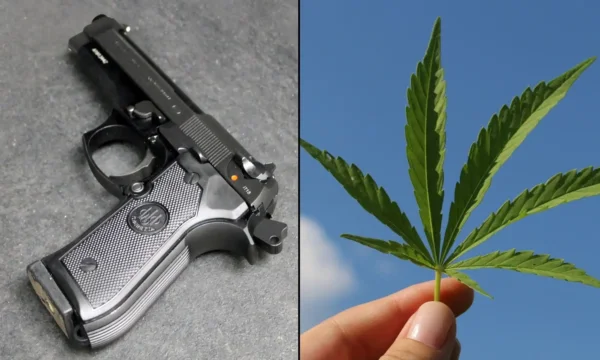
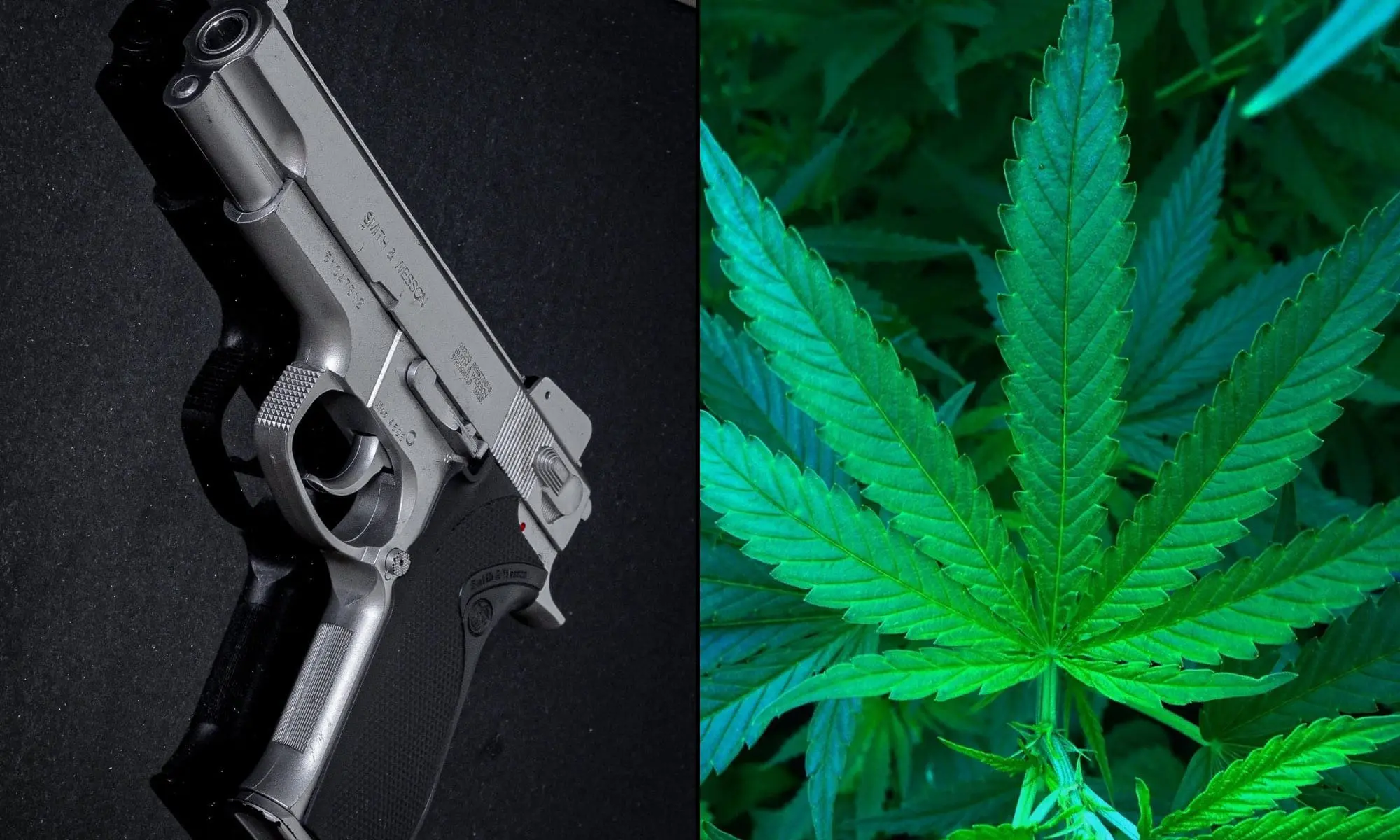
Supreme Court marijuana gun rights case. That’s the headline, the shot of rye before the long night: the federal ban on gun ownership by marijuana users, 18 U.S.C. 922(g)(3), is walking into the big room under bright lights. A coalition of prohibitionist groups wants the justices to keep the hammer down, arguing cannabis is tied to violence and psychosis—more dangerous than alcohol, they say. It’s a sharp claim, built to sway under the Court’s history-anchored test for firearms restrictions. If you’re a legal cannabis consumer who also cares about the Second Amendment, this fight isn’t theoretical. It’s about whether your state-level “OK” collides with a federal “no,” and which one gets to live in your glove box next to your registration.
The brief from Smart Approaches to Marijuana and fellow travelers reads like a flashing red sign: today’s marijuana is potent, commercialized, and steeped in risk—psychosis, schizophrenia, violent behavior. That’s the narrative. But there’s another reality breathing down the alley: cannabis isn’t a one-note substance, and the evidence isn’t a unanimous choir. Research on mental health risk is complex, confounded by use patterns, potency, genetics, and social context. Meanwhile, other data point to measured, tangible benefits in specific settings—pain relief, sleep quality, anxiety reduction—reminding us this plant can be more scalpel than sledgehammer. For a taste of those nuances, see CBD Provides Pain Relief, Improves Sleep And Aids Relaxation, Study Involving Olympic Athletes Shows. The Court won’t run a lab here; it will parse history, risk, and the government’s authority to draw a line that disarms people based on what they use, not what they do.
That history is already fraying in the lower courts. Some circuits want individualized proof of dangerousness; others are content with categorical bans. A few judges have tossed indictments against cannabis users with firearms when the government can’t show a concrete, present threat. The Justice Department, for its part, warns that people who use illegal drugs pose a greater danger than drinkers, and it’s pushing for the Supreme Court to bless the statute. The case—U.S. v. Hemani—will test whether the government can keep that bright-line rule. If you want the dry docket bones, start here: SCOTUS docket. For everyone else, the takeaway is simpler: a categorical prohibition is cleaner to enforce, but the Constitution likes nuance. And while this is a gun case at heart, the cannabis policy sprawl keeps complicating the map. Just ask operators trying to market within shifting federal frameworks while dodging unintended landmines like youth-safety legislation—see how a separate proposal could splash cold water on routine digital outreach in Bill Advancing In Congress To Protect Kids Online Could Create Complications For Marijuana Businesses In Legal States.
There’s politics draped over everything like neon at last call. Rumors pulse that rescheduling is back on the burner—moving marijuana from Schedule I to Schedule III. That would be a cultural thunderclap for research and taxes, but here’s the rub: it likely wouldn’t fix this firearms problem on its own. Schedule III is still a controlled lane; unless and until there’s an FDA-approved pathway or a change to the underlying gun statute, a cannabis user can remain “unlawful” for federal purposes. So the Supreme Court’s ruling matters even if the Controlled Substances Act’s categories start shifting. It’s not hard to see why the political class keeps testing the waters, and why one man’s trial balloon can move markets and voter mood. For the latest flavor of that, pour yourself a read of Trump Says He’s ‘Very Strongly’ Considering Rescheduling Marijuana As Rumors Swell About Imminent Reform. Rescheduling may soften edges across the cannabis industry; it won’t, by itself, reconcile a gun counter’s federal form with your state-legal weekend ritual.
So what now? For consumers, the cold detail on ATF Form 4473 hasn’t changed: answering “yes” to unlawful drug use is disqualifying, and lying is a federal crime. For courts, the question is whether the government can paint all cannabis users as presumptively dangerous under a history-and-tradition test meant to guard modern gun rights from modern panic. For politicians, the margin for error is thin; cannabis voters are watching, and their patience is more transactional than tribal. Case in point: Only Six Percent Of Marijuana Consumers Approve Of Trump’s Reform Actions, But Most Would Shift Opinion If He Reschedules, Poll Finds. However the justices slice it, this ruling will ripple from dispensaries to gun ranges, from traffic stops to sentencing memos. Stay clear-eyed, stay compliant, and if you’re exploring lawful alternatives in this evolving landscape, consider visiting our shop: https://thcaorder.com/shop/.