

Trump Says He’s ‘Very Strongly’ Considering Rescheduling Marijuana As Rumors Swell About Imminent Reform
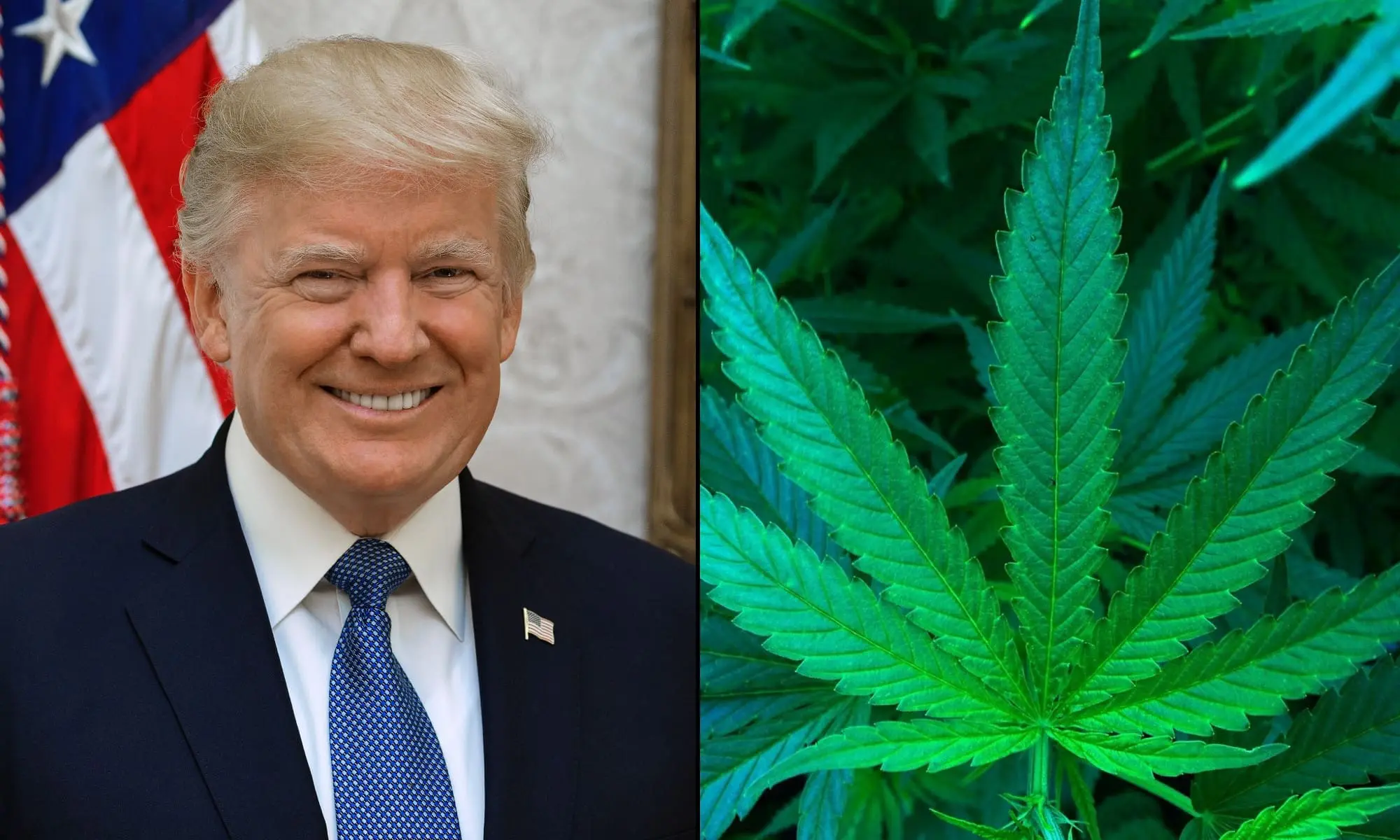
Federal marijuana rescheduling isn’t just a headline—it’s the kind of policy tectonic shift you feel in your bones. On Monday, President Donald Trump said his administration is “very strongly” weighing a move to reclassify cannabis under federal law, framing it as a doorway to real, rigorous research. In the antiseptic light of a D.C. signing ceremony, he nodded to what scientists and patients have been saying for decades: if you take marijuana out of the research penalty box, you might finally learn what it actually does—for pain, for anxiety, for cancer—beyond the folklore and the dispensary chatter. The timing is murky, though the rumor mill is humming, and the stakes—for cannabis research, marijuana policy reform, and the broader U.S. cannabis industry—are massive.
The federal fog: research handcuffs and policy whiplash
Here’s the rub: cannabis sits in Schedule I—a bureaucratic purgatory reserved for substances deemed to have no accepted medical use and a high potential for abuse. That label has handcuffed researchers with labyrinthine approvals and limited supply, making “gold-standard” clinical trials feel like running a marathon in ankle-deep mud. Move cannabis to a lower schedule and suddenly universities, hospital systems, and private labs can breathe. More trials. More data. Fewer excuses. But Washington loves its contradictions. Even as the White House flirts with reform, the federal government has argued in court that cannabis use can mark someone as dangerous. In a high-stakes gun rights case, the administration’s lawyers leaned into that posture, insisting pot users pose heightened risks compared to drinkers. For a window into that hardline stance colliding with today’s news, read Marijuana Users ‘Pose A Greater Danger’ Than Alcohol Drinkers, Trump DOJ Tells SCOTUS In Gun Rights Case Filing. That’s the federal fog we’re driving through: brake lights flicker red while the gas pedal hits the floor.
Politics on the plate: appetites, optics, and timing
There’s a whiff of campaign kismet here—the kind you can taste in the air when a policy move doubles as a message to independents, suburban parents, and the industry’s restless investors. Rescheduling could be sold as modest and measured: not legalization, not a free-for-all, just a green light for science and perhaps some tax sanity. But politics doesn’t stop at moderation. Some critics see a gambit to sand down rough polling edges and reclaim center stage in a nation where most voters support some form of legal cannabis. That tension is no secret: one senator has already blasted the idea as a ratings ploy while calling for broader reform. If you want the brass-tacks political readout, check Trump Is Trying To Boost ‘Pathetic’ Approval Ratings With Marijuana Rescheduling Move, Senator Says As Democrats Push Full Legalization. Meanwhile, business outlets have been teasing that an announcement could land any day. Whether that’s smoke or signal, the market is listening like it’s waiting for the last train home.
If the schedule drops, what actually changes?
First, research—real, scalable, peer-reviewed research—opens up. With cannabis out of Schedule I, institutional review boards would have fewer hoops to jump through, multi-site trials become easier to run, and supply chains for study material could diversify beyond federal monopolies. That means we get answers faster, not just anecdotes. Second, business infrastructure stabilizes. A rescheduling to a lower tier could remove the notorious 280E tax burden that has punished state-legal operators for years, putting them on something closer to a normal footing. Third, the stigma shifts. Doctors, insurers, and policymakers take their cues from the federal schedule; change the label, change the temperature of the room. And then there’s the science itself, which continues to surprise. Early and preclinical findings have hinted at anticancer properties in certain cannabinoid formulations. For one example of where the evidence has been pointing, see Marijuana Components ‘Effectively Inhibited Ovarian Cancer Cell Growth,’ Study Shows. That’s the promise on the horizon: not hype, not snake oil—just data, finally allowed to speak.
The money trail: banks, compliance, and the long road to coherence
Even if rescheduling lands, cannabis won’t be “legal” coast to coast. The Controlled Substances Act is a hydra; cut one head, and a tangle of federal and state rules remain. Banking access is a prime example. Right now, many cannabis companies live off a patchwork of credit unions, private lenders, and cash-heavy operations that make accountants sweat. Rescheduling could help—but it won’t singlehandedly fix the mess. Congress would still need to move on banking and broader regulatory clarity. That’s why Capitol Hill keeps calling in the veterans of state systems to explain how the real world works. Keep an eye on financial policy developments and testimony—like the appearance teased here: Former Top State Marijuana Regulator To Testify At U.S. Senate Banking Hearing This Week. The industry’s future isn’t just about what the DEA writes in the Federal Register; it’s about whether capital can move through the system without everyone holding their breath.
So here we are, perched on the edge of federal marijuana rescheduling, watching the steam rise off the plate and wondering if it’s finally cooked through. The president says the quiet part out loud—research must be allowed—and for once the logic feels less like Washington performance art and more like common sense. Still, until words become rulemaking, this is a late-night promise in a neon-lit diner: comforting, maybe overdue, but not the meal we’ll remember until it actually shows up. When it does, patients, scientists, and legitimate operators could all start playing the same game by the same rules. Until then, stay curious, stay skeptical, and if you’re exploring compliant, high-quality options in this evolving landscape, finish your read by visiting our shop: https://thcaorder.com/shop/.