

Alabama Officials Approve Medical Marijuana Dispensary Licenses, Readying Program For Sales To Start In 2026
Alabama medical cannabis dispensary licenses just got the green light, and for once, the talk in Montgomery feels less like a mirage and more like the first sip of something real. After years of courtroom detours and legislative throat-clearing, the Alabama Medical Cannabis Commission approved three dispensary licenses—GP6 Wellness, RJK Holdings, and CCS of Alabama—with a fourth expected in late January. The price of admission: a $40,000 licensing fee and a 28-day clock to pay it. Commission chair Rex Vaughn called it “monumental,” the kind of milestone you circle on a wall calendar and hope doesn’t smudge. A supporter echoed the moment with a simple truth—“on the cusp of a working program”—as reported by Alabama Reflector. That cusp is where a lot of Alabamians have been parked for five long years, engines idling: cancer patients, people with Parkinson’s and PTSD, folks living with sickle-cell anemia and chronic pain, waiting for a real door to open. If you’re tracking cannabis taxation, marijuana policy reform, or the Alabama cannabis market, this was the first tangible movement you could actually feel in your bones.
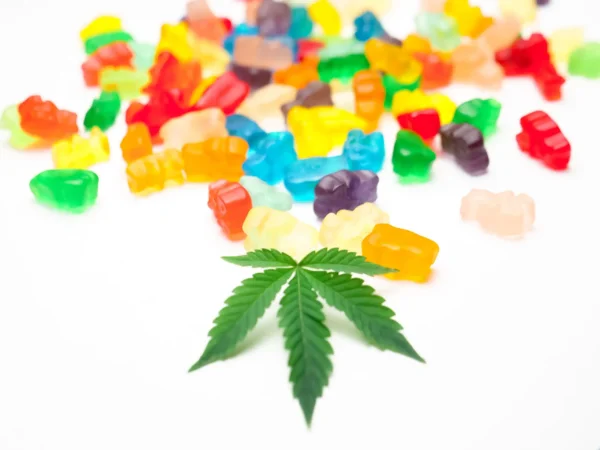
The road ahead is still bumpy. Vaughn says state coffers could see revenue “by springtime,” likely from fees and early program scaffolding, but patient sales look more like a 2026 experience than a spring fling. That’s Alabama’s brand of caution—move slow, double-check the locks, then try the handle. Physicians must be certified, patients must join the registry, and the state’s product rules are tight as a Sunday tie: tablets, tinctures, patches, oils, and gummies only—peach flavor, a sweet, hyper-specific nod to Southern sensibilities—with smokable flower and raw plant material firmly off the menu. It’s a conservative palette for a conservative state, but don’t let the restraint fool you; the stakes are human, not hypothetical. As of Thursday, there was one patient in the registry—a lonely statistic set against a population of quiet need. Somewhere between the legislation’s black-and-white text and the reality of a person trying to sleep through pain sits a hard truth: access isn’t a press release, it’s a functioning storefront, a trained doctor, and a product that works.
If this feels late, it is. Litigation turned time into a slow-cooker, with companies challenging a process they saw as skewed and families suing over delays that stretched from frustrating to cruel. One case from parents desperate to get medicine for their kids was dismissed in August, but not before it underlined the point: behind every docket number is a kitchen-table saga. Meanwhile, clinicians like pharmacist and commissioner Sam Blakemore keep reminding anyone who’ll listen that cannabis isn’t some cartoonish Delta-9 monolith. It’s an orchestra of more than a hundred cannabinoids—compounds that, when handled with care, can dial down nausea, relax spasticity, and offer relief where opioids and gabapentin sputter. The promise here isn’t a silver bullet; it’s a credible option. And for advocates who’ve spent years testifying, organizing, and cracking open their own medical files to prove a point, today’s incremental progress is the kind of news that lets you breathe a little easier.
Context matters. State markets don’t grow in a vacuum; they’re buffeted by politics, culture, and whatever the neighbors are cooking. In Ohio, a pending crackdown on hemp-derived products has business owners warning that a single pen stroke could gut livelihoods—see Bill On Ohio Governor’s Desk Will Put Hemp Companies Out Of Business, Owners Say—a reminder that cannabis policy swings can feel like a hurricane when you’re standing in the storefront. Nationally, rescheduling talk out of Washington has lawmakers split down the middle about what changes actually mean for patients, taxes, and the industry’s long-term spine; for that split-screen view, check Bipartisan Congressional Lawmakers Give Mixed Reactions To Marijuana Rescheduling News From Trump Administration. And politics being what they are, there’s always a candidate somewhere promising the moon; one dispensary owner running for Congress even vowed a full federal legalization bill on day one—file under bold, with a side of real-world headwinds—captured in As Trump Nears Marijuana Announcement, Dispensary Owner Running For Congress Pledges To File Full Legalization Bill On First Day In Office. The broader drug-policy chessboard is shifting, too, though not always on the timetable activists want; Alaska reformers recently punted their psychedelics push from 2026 to 2028, an instructive lesson in patience chronicled in Alaska Psychedelics Campaign Ends Push To Put Legalization On 2026 Ballot, Shifting Focus To 2028. Alabama’s program sits in that same weather system—cautious, contested, and now, finally, moving.
So what does “moving” look like on the ground? On paper, Alabama has licensed nine cultivators, four processors, four transporters, and three dispensaries—a skeleton of a supply chain waiting for muscle and circulation. Once the new dispensaries pay their fees and the fourth license lands, it becomes a race to stand up compliant facilities, set up distribution, train staff, and shepherd physicians through certification. If it all clicks, 2026 won’t just be a date—it’ll be the moment when product leaves a shelf and lands in a patient’s hand without drama. That’s when the Alabama cannabis market becomes something measurable: patient access, legal cannabis revenue, and a clearer picture of whether tightly controlled product forms can still deliver meaningful relief. Until then, we track the inches gained and the hurdles left, trusting that a state known for slow-cooked decisions can still nail the finish. And if you’d like to explore compliant, hemp-derived options while Alabama builds out the last mile, you can browse our curated selections in our shop.