Alaska Psychedelics Campaign Ends Push To Put Legalization On 2026 Ballot, Shifting Focus To 2028
Alaska psychedelics legalization hits a 2026 wall—but the trail to 2028 is wide open
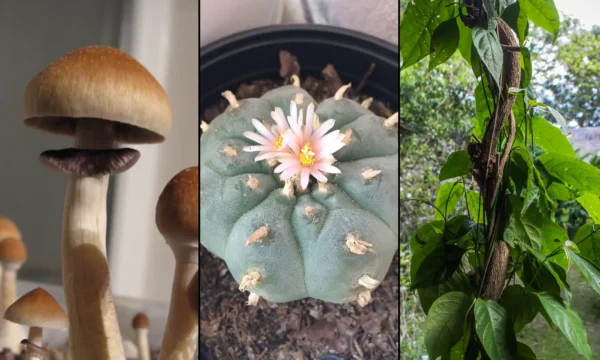
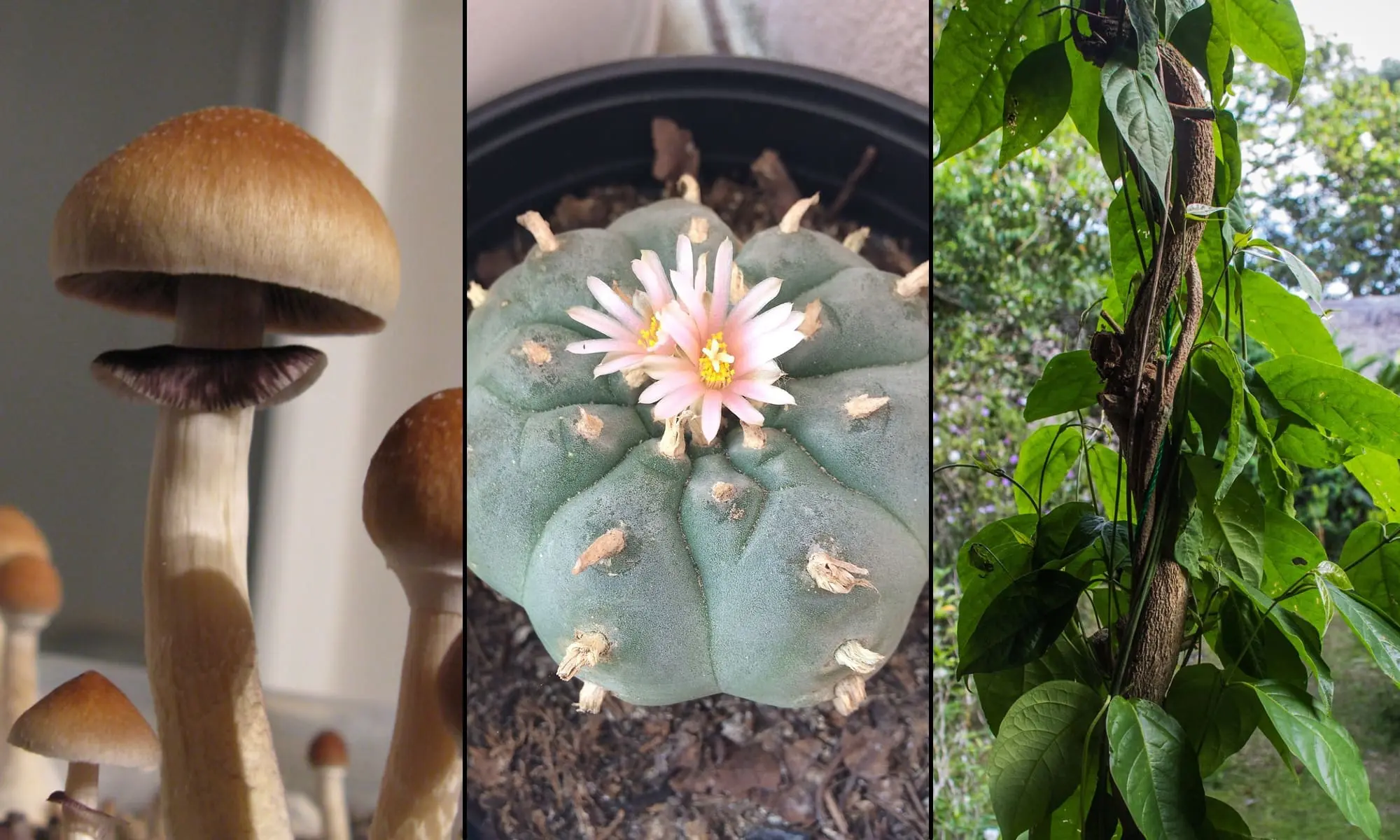
Alaska psychedelics legalization just ran into one of those icy headwinds you feel on the Turnagain Arm in February—sharp, inevitable, clarifying. Natural Medicine Alaska, the campaign pushing the Alaska Natural Medicine Act, didn’t collect enough signatures to make the 2026 ballot. They pulled in a little over 10,000 valid names in a tight window, short of the roughly 35,000 they need to qualify. Still, this isn’t a last call so much as a strong pour with a fresh cube: those signatures carry forward, and the plan shifts to 2028. The pitch remains the same—legal access to psilocybin, psilocin, DMT, and non-peyote mescaline for adults 21 and over; regulated services for those who want a guide; a “grow, gather, gift” model to keep the culture from calcifying into something unrecognizable. It’s drug policy reform tailored to the Alaska map: vast distances, thin roads, real need. And if you’re watching the country’s slow, uneven march toward legal natural medicine, you know the story: the arc bends, then snaps back, then bends again.
The blueprint is more flannel than lab coat. Think non-commercial use allowed at home and with friends; small-scale cultivation that fits within a 12-by-12-foot space, tucked out of sight; strict no-go on public use, with a modest civil fine if you light up the sidewalk with your revelations. Transfers? Gifts only—money would still be off-limits. On the service side, the proposal would license healing centers and facilitators for supervised psychedelic therapy, plus testing labs, cultivation and manufacturing, and handlers across the supply chain. Unlike a hard-wired “healing center only” regime, the Alaska model opens the door to qualified clinicians offering in-office or at-home support—vital for rural communities where a “nearby” appointment can mean a snow-covered flight away. There’s a regulatory skeleton, too: a Natural Medicine Control Board tucked under the Department of Commerce, Community and Economic Development, a broad advisory committee to keep it grounded in health and safety, and protection for Indigenous traditional practitioners—credentialed by lineage and community, not just classroom hours. If the point is access without erasing the culture, that’s the needle they’re threading. And it tracks with other experiments in regulated spaces, like the newly adopted rules for social use venues—another sign the map is redrawing itself, one state at a time, as seen when Massachusetts Officials Approve Rules Allowing Marijuana Social Consumption Lounges To Open.
Public sentiment isn’t static either. A recent poll found almost half of Alaska adults would back broader decriminalization of psychedelics, and support jumped to nearly two-thirds when respondents were reminded how high the state’s mental health burden is. That tracks with a broader refrain emerging from the legal cannabis era: access, when done right, can yield better health outcomes—not overnight, but meaningfully over time. One study suggests exactly that kind of downstream benefit, finding that increased access to regulated cannabis correlated with lower suicide rates among older adults, a reminder that policy isn’t just paperwork; it’s people. For more context on how access intersects with public health, see Legal Marijuana Access Reduces Suicide Rates For Older Adults, New Study Suggests. If Alaska’s initiative makes the 2028 ballot, voters won’t just be weighing vibes; they’ll be staring down a comprehensive framework with real guardrails—harm reduction education, credentialing for traditional use, rural access baked into the spine. The premise is simple: keep commerce in its lane, keep culture in the room, and keep the state’s heavy hand from flattening what makes natural medicine, well, natural.
- Adults 21+ could legally possess, cultivate within a 12×12 space, and gift select natural psychedelics.
- Public consumption remains prohibited, with civil fines to deter street use.
- Licensed healing centers, facilitators, labs, cultivators, and manufacturers would form the regulated backbone.
- At-home facilitation expands access across rural Alaska, beyond a rigid “center-only” model.
- A Natural Medicine Control Board and Advisory Committee would oversee standards, safety, and implementation.
- Traditional healers receive explicit protection under a credentialing pathway rooted in culture and community.
Meanwhile, the national weather keeps shifting. On the cannabis front, Washington keeps teasing a tectonic reschedule that could finally drag federal policy out of the Just Say No ice age. Whether that changes this year or next, the center of gravity has moved, and voters feel it—you can see it in the polls, in the markets, in the line out the door when a state flips the lights on. The political ripple effects are getting louder, and so are the warnings and denials. For a snapshot of that brinkmanship, take a look at Trump May Be About To Announce He’s Reclassifying Marijuana, Opponents Warn As White House Denies Rumors. And when new programs launch, demand is anything but abstract—ask Kentucky, where the first medical dispensary opening was expected to run shelves thin on day one. That kind of pent-up need, and the velocity with which it reveals itself, is a lesson Alaska’s regulators and entrepreneurs should file under “inevitable.” For that surge-in-real-time, see Kentucky’s First Medical Marijuana Dispensary To Open This Weekend, With Supplies Expected To ‘Run Out’ Quickly, Governor Says. Translate that energy to psychedelics, and you get a preview: if and when Alaska’s regulated services open, expect long waitlists, a scramble for trained facilitators, and pressure to scale without sanding off the soul.
Nothing happens fast in the North. But the things that do happen tend to stick.
Natural Medicine Alaska says support is growing, and the signatures already banked mean 2028 is more logistics than leap of faith. Between now and then, the work is unglamorous—training volunteers, refining ballot language, building coalitions with clinicians, veterans, first responders, and tribal leaders, and convincing skeptics that “natural medicine” isn’t code for chaos. If the measure lands, Alaska would join a small club of states putting their names on the dotted line of a new social contract: regulated access, community-informed practice, and an acknowledgment that prohibition didn’t solve pain—it hid it. The campaign’s failure to crack 2026 isn’t an obituary; it’s intermission. When the lights come back up, the question won’t be whether psychedelics belong in Alaska. It’ll be how to build the kind of legal framework that keeps the promise intact for the long haul. And if you’re ready to explore the legal side of the plant world today, take a look at our shop: https://thcaorder.com/shop/.