

U.S. Supreme Court To Discuss Case Challenging Federal Marijuana Prohibition This Week
Supreme Court marijuana prohibition case enters the room like a cold wind
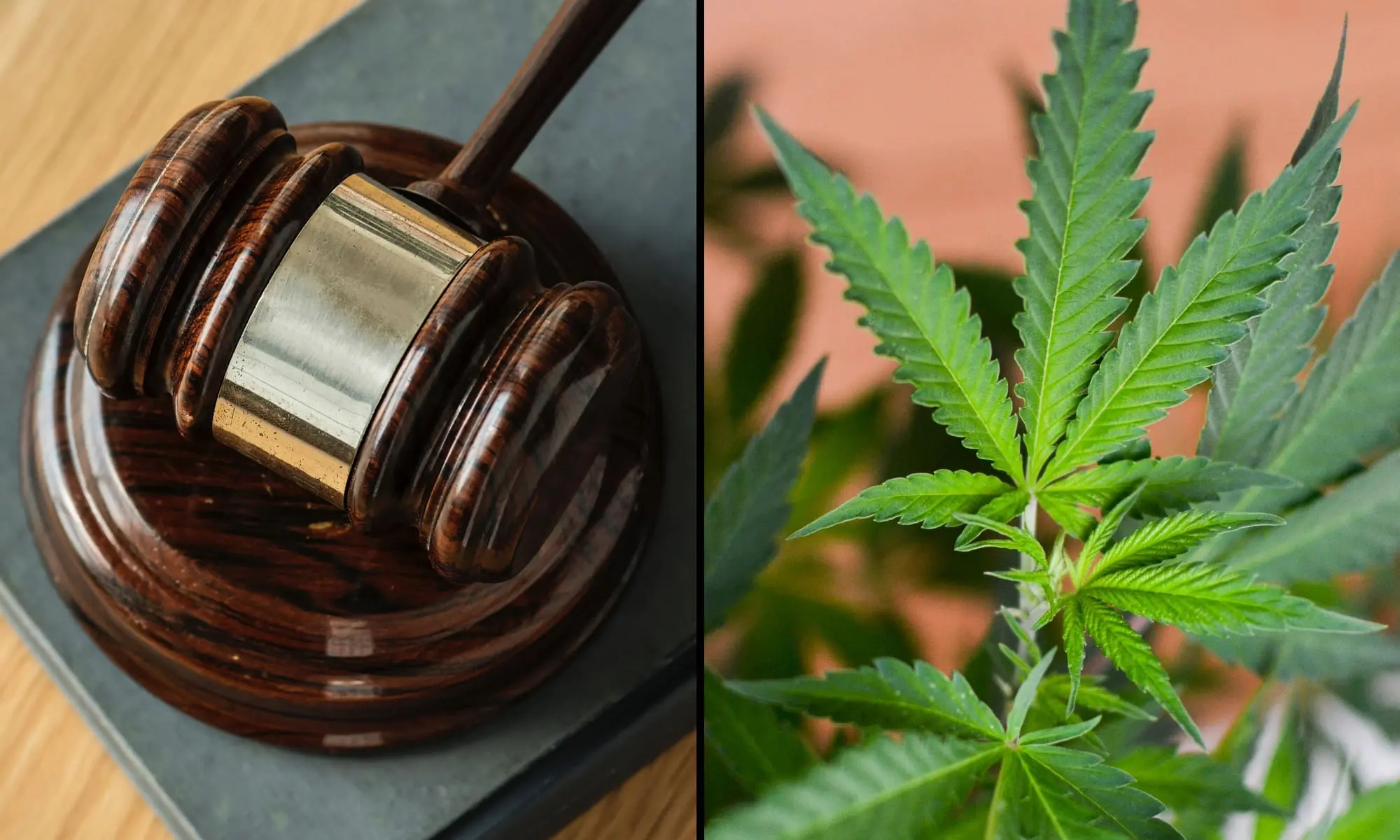
Some nights you can feel the law breathing down the neck of culture. This is one of them. The U.S. Supreme Court is set to huddle behind closed doors to weigh whether to take up Canna Provisions v. Bondi, a challenge to federal marijuana prohibition that cuts straight to the Commerce Clause. The question is simple and loaded: Can Washington still criminalize intrastate cannabis when states have built entire legal markets within their borders? Four justices must vote to hear it. If they do, the long, strange saga of federal cannabis policy could finally get its day in the brightest, harshest light. Keep an eye on the case’s official entry on the Supreme Court docket for signs of life or a quiet, procedural death: 25-518. This is high-stakes constitutional litigation with real-world edge—the kind that decides whether dispensaries and cultivators are neighbors or contraband.
The petition lands on a bench where at least one voice has already called out the absurdity. In 2021, Justice Clarence Thomas blasted the “half-in, half-out” federal approach to cannabis—tolerated here, forbidden there—an arrangement that warps federalism and traps the unwary. Translation: As the map of legalization spreads, Gonzales v. Raich—the old anchor that lets Congress rope off intrastate grows in the name of regulating interstate commerce—looks wobblier by the year. Massachusetts businesses now argue that blanket federal prohibition of state-legal, intrastate marijuana commerce exceeds Congress’s power. Their brief drew backup from ideological oddfellows: libertarian scholars, property-rights advocates, and conservative reformers. The Justice Department, notably, declined to nudge the Court one way or another on whether to hear the case. That silence hums. Meanwhile, lower courts stuck to the script—acknowledging cannabis law is ripe for reexamination, yet bound by precedent to say, “not here, not now.”
Still, the stakes are bigger than a dusty doctrinal page. This is about the lived economics of the legal cannabis market, about whether federal marijuana prohibition continues to shadow every state-licensed transaction with criminality. It’s about whether intrastate cannabis can be treated like intrastate anything else—commerce that stays within a state’s lines and pays for the privilege. Industry lawyers argue Congress can only reach in-state activity when leaving it alone would meaningfully undermine a legitimate federal regime for interstate commerce. If the Court buys that, the ground shifts. If the Court shrugs, the limbo continues—rescheduling debates grind on, federal oversight looms, investors stay skittish, and everyday operators sit in a strange gray space where their livelihoods are both legal and not. Add the Court’s decision to hear a separate case on gun rights and people who use cannabis, and you can feel a broader reckoning with outdated drug-era assumptions in the judicial air.
Zoom out and the backdrop looks like a patchwork quilt sewn with urgency and contradiction. States push medical and adult-use reforms forward while Washington dithers. Reformers in the Mountain West are trying to get medicine to patients any way they can—see Idaho Medical Marijuana Campaign Steps Up Push For 2026 Ballot Initiative By Hiring Paid Petitioners. In Florida, a conservative proposal nods to reality by widening access for those on painkillers—because if the pharmacy can hand you opioids, a doctor should be able to suggest something safer: Florida GOP Lawmaker Files Medical Marijuana Expansion Bill Allowing Patients To Qualify If They’ve Been Prescribed Opioids. On the hemp flank, a new approach would regulate instead of ban—a boring-sounding shift with massive consequences for farmers and retailers: Hemp Products Would Be Federally Regulated Instead Of Banned Under New Senate Bill. And, of course, prohibition’s old guard keeps sounding alarms about crime and cartels, a familiar chorus that echoes every time policy reform inches forward: State Marijuana Legalization Laws Shield Foreign Cartels And Threaten Public Safety, GOP Senator And Former DEA Official Claim. All of it piles pressure on a federal system that can’t decide whether to stick with the past or acknowledge the present.
What happens next in this Supreme Court marijuana prohibition case? The justices could grant review; they could relist; they could punt. If four votes emerge, we’ll get full briefing and argument on whether the Controlled Substances Act can still reach purely intrastate, state-legal cannabis activity. If not, the message is “not yet”—and the country keeps living with a legal contradiction that everyone can smell from the sidewalk. For now, the best we can do is watch for movement on that docket, watch whether rescheduling inch-worms forward, and remember that the Constitution’s promises are only as real as the nine people willing to read them aloud. In the meantime, if you’re curious to explore the plant at the heart of this national tug-of-war, take a slow walk through our shop and see what careful cultivation looks like when craft meets compliance: https://thcaorder.com/shop/.