

Minnesota Legalized Marijuana, But Thousands Of People Are Still Being Prosecuted For Carrying Cannabis In Their Cars
Minnesota marijuana prosecutions didn’t end—they just changed seats
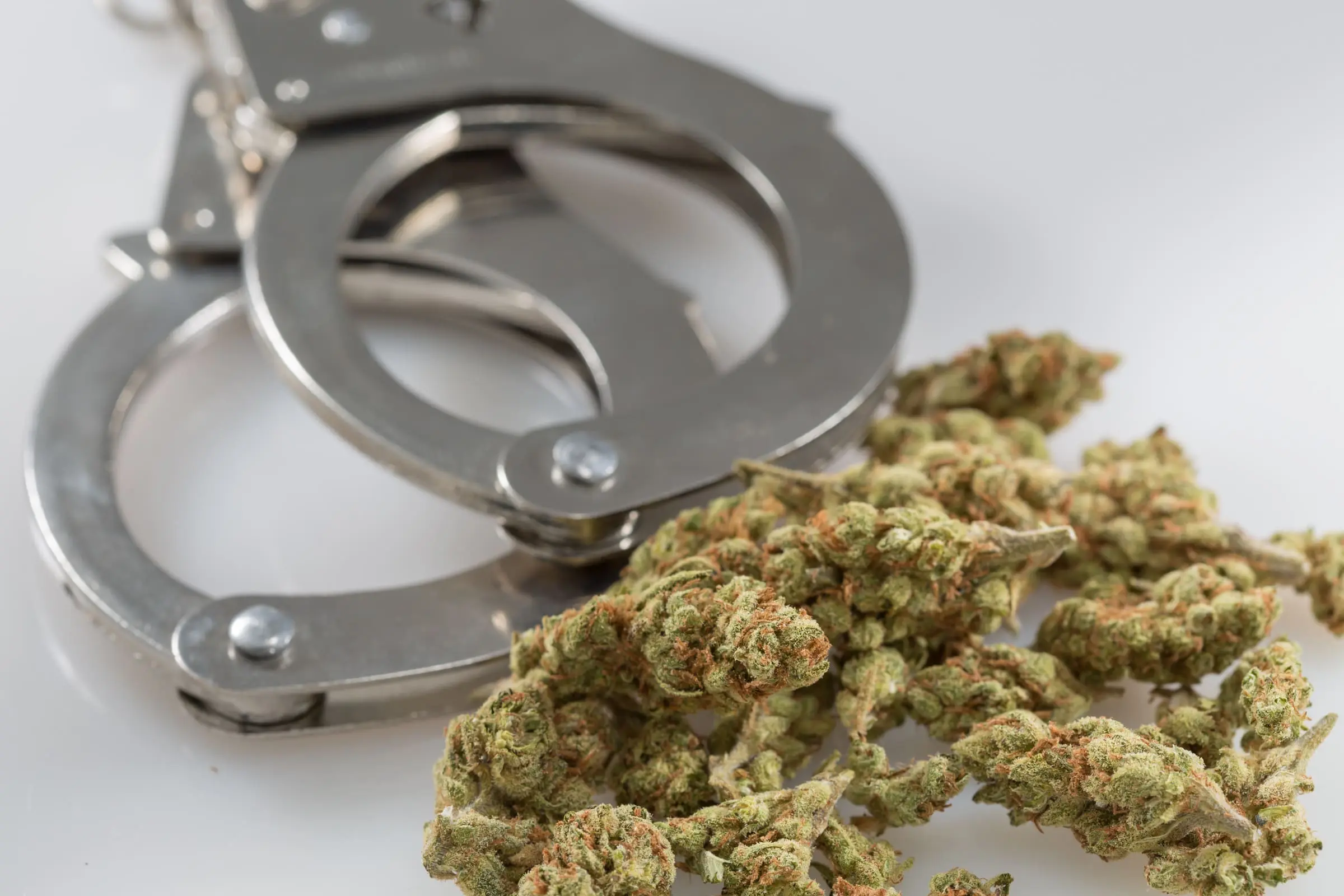
Minnesota marijuana prosecutions were supposed to fade in the rearview mirror when legalization hit in 2023. Instead, a new cop sits shotgun: the cannabis open package law. The rules are tucked—not in the glossy cannabis statute—but deep in the traffic code, riding shotgun with open-container booze laws. The gist is blunt. If your flower, vape, wax, or edibles aren’t sealed in their original labeled packaging, they belong in the trunk. Not the glove box. Not the console. The trunk. Break that rule and you’re looking at a misdemeanor—up to a $1,000 fine and 90 days—though most folks pay hundreds and go home lighter. A Minnesota Reformer analysis tallies the body count since legalization: more than 3,500 charges for cannabis in cars, over 1,200 misdemeanor convictions, and nearly 500 citations for consuming cannabis in vehicles. That’s not a culture war headline. That’s day-to-day life for a lot of drivers who thought legalization meant exactly that.
The smell won’t cut it anymore—but sight will
Here’s the catch. The state’s high court said the odor of marijuana alone no longer justifies a vehicle search. Civil liberties folks called it progress. But let an officer spot a jar on your passenger seat—or let you admit it’s in the console—and that door swings open anyway. Defense lawyers see a new pretext for stops and warrantless searches. They’re worried about where those stops are happening and who’s being pulled over. The data carries a familiar sour note: in Hennepin County, roughly 42 percent of people charged with open-package or in-vehicle use since legalization are Black, in a county that’s only about 13 percent Black. Ramsey and Dakota? About a third. As one public defender put it, “We’re just switching how we’re criminalizing the same exact plant. And it’s going to hit the same communities that the criminalization of marijuana did.” Legalization was supposed to scrub past harms. Instead, the fight migrated from possession to packaging—and the same neighborhoods still carry the load.
Compliance by trunk—confusion by design
The law’s not on the state’s friendly “need to know” cannabis page. It hides in the long corridors of traffic statutes. So people are surprised—lawyers too. Picture it: a resealed jar in the glove box, an officer’s flashlight in the window, a driver who thinks they’re being honest by showing what they have. Ticket printed, lesson learned. But the logic isn’t airtight. A cracked beer can screams active consumption; a broken seal on a cannabis jar might just mean you sparked up last week. Yet the rules treat both like a live wire. It gets messier. Minnesota’s legal market is still growing into itself. For a while, legitimate, labeled, tamper-evident packaging was rare because licensed shops were rare. Homegrown and unregulated supply dominated. If a manufacturer misses a packaging detail, consumers could catch the misdemeanor for carrying it wrong, even if they never intended to skirt the law. Meanwhile, charging patterns bounce like a pothole-riddled county road—more open-package cases in McLeod County than in much-larger Ramsey, more in traffic-focused Edina than in Minneapolis. Law enforcement says it’s about public safety and consistency. Drivers hear it as a ticket for the sin of convenience.
Legalization’s uneasy middle: expungements, workplace rules, and patchwork politics
Meanwhile, Minnesota is expunging low-level cannabis records to undo decades of damage, even as new low-level cannabis convictions stack up for in-car packaging mistakes. That contradiction is the uneasy middle of marijuana policy reform. And beyond Minnesota’s borders, the patchwork gets wilder. Some states hesitate to legalize at all because Washington still bans the plant—just ask Pennsylvania, where Marijuana’s Federally Banned Status Is One Reason Pennsylvania Hasn’t Legalized It, Top GOP Senator Says. Others wrestle with labor and governance in the legal industry; in Oregon, businesses are urging a federal court to hold the line on a blocked labor mandate voters approved, a messy test of state power and industry survival, as detailed in Oregon Marijuana Businesses Urge Federal Court To Uphold Ruling Blocking Industry Labor Law Approved By Voters. Texas is drawing its own hard edges, moving to keep hemp THC out of under-21 hands while expanding medical access—one more example of the regulatory kaleidoscope in motion: Texas Officials File Revised Rule Banning Hemp THC Sales To People Under 21 As State Expands Medical Marijuana Program. And in Virginia, the debate has moved into the office, with fresh guidance on what consumers can expect from employers: Virginia Officials Publish Guidance On Marijuana Consumers’ Workplace Rights. Different states. Same plant. Fifty versions of what “legal” means.
How to drive smart in a legal market that still polices the small stuff
So, practical advice—learned the hard way in a thousand traffic stops. Treat your car like a bar you don’t want to own. Keep cannabis behind you, sealed and out of reach. If you have original, labeled packaging, use it. If you don’t, put the jar in the trunk. Don’t flash it to prove you’re responsible. Don’t narrate your habits. In Minnesota’s cannabis market, legal possession meets vehicle compliance, and that crossroads is where many people get clipped. The point of legalization was to cut the fuse on low-level criminalization. That promise is still being negotiated in courtrooms and county lines, one citation at a time. For more on the charge surge and the legal fine print, see the Minnesota Reformer’s reporting and follow the changes as the licensed market expands and the rules settle. And if you prefer to keep your next ride drama-free while exploring compliant, high-quality options, consider a quiet visit to our shop: https://thcaorder.com/shop/.