




Virginia Officials Publish Guidance On Marijuana Consumers’ Workplace Rights
Virginia marijuana workplace rights: new guardrails for an old hang-up
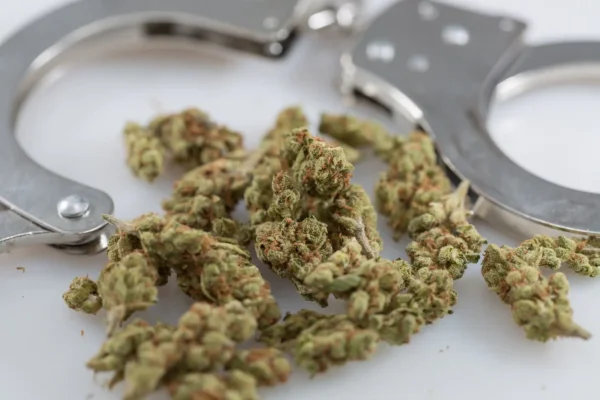
Virginia marijuana workplace rights just got a shot of clarity, like a bartender sliding you a double when the night’s gone sideways. The state’s labor cops dropped guidance that says what a lot of workers have been whispering: off-duty cannabis use isn’t a scarlet letter. Not anymore, not on its own. In a state where recreational possession and home grows are legal but the retail market remains a mirage, these cannabis employment protections land like a map in a fog bank. The message is simple enough—don’t punish people for what they did off the clock without more than a lab report—but the details matter, especially in a Virginia cannabis market that’s inching toward adult-use sales and wrestling with the usual cocktail of risk, revenue, and reform.
Here’s the meat of it. Employers shouldn’t fire, discipline, or sideline you just because a urine or hair test found cannabinoid metabolites, unless there are other indicators of impairment—or the company already runs a bona fide zero-tolerance, drug-free workplace policy applied fairly across the board. Medical cannabis patients have an extra layer of armor: if you’re lawfully using cannabis oil with a valid certification to treat a diagnosed condition, your boss can’t hit the eject button just for that. There are guardrails. On-the-job impairment isn’t protected. No one has to risk a federal contract or funding. And defense industrial base employers can still act on THC positives above specific thresholds—50 ng/mL for urine, 10 pg/mg for hair—because when your job touches national security, the rules get stricter. If you want the state’s fine print, the Department of Labor and Industry quietly parked it in an official guidance document on the Commonwealth’s site, a terse little roadmap of what’s allowed and what’s not, and reiterated in their public resources for employers and workers alike.
“Reasonable,” “nondiscriminatory,” and “impairment” are doing the heavy lifting here—expect those words to get parsed like biblical verses in HR offices from Norfolk to Roanoke.
Zoom out. While the workplace piece grabs headlines because it touches everyday life—paychecks, promotions, quiet dignity—the bigger chessboard is creaking into place. A legislative commission has released a framework for adult-use marijuana retail, a dry run for a legal market that could finally put storefronts where there are now only home growers and handshake deals. If lawmakers move, Virginia would tip from limbo to launch, buoyed by a governor-elect and a legislature newly aligned with marijuana policy reform. The subtext isn’t subtle: revenue. Cannabis taxation and legal cannabis revenue can patch budgets and salt local coffers, if they get the rates and rules right. Get them wrong and you end up with Michigan-style friction, where a court just let a tax hike proceed despite industry pushback—see Michigan Judge Allows Marijuana Tax Increase To Take Effect Despite Industry Lawsuit for a taste of that fight. Virginia’s commission notes glide paths, equity lanes, potency caps, tax scenarios—the usual stew. The trick will be building a market that beats the illicit one on price and convenience without strangling mom-and-pop entrepreneurs. That’s not policy theory; it’s survival.
Context matters. In Florida, a lawmaker’s fresh push to bless green thumbs would normalize small, personal grows—read Medical Marijuana Home Cultivation Would Be Legalized In Florida Under Senator’s New Bill—which shows how culture and law dance in the South. In New York, medical patients enrolled in the program saw meaningfully fewer opioid prescriptions, according to a federally funded study; that’s not a vibe, that’s data, and it’s worth your time in Patients In New York’s Medical Marijuana Program Saw ‘Significantly Reduced’ Opioid Prescriptions, Federally Funded Study Shows. The public health angle sits under all of this like a bass line. Even hemp—quiet cousin to THC—has its own macro play: carbon markets. If agriculture is the oldest hustle on Earth, then farmers earning credits for sequestering carbon is the next hustle wearing a clean shirt. For a glimpse at that frontier, see How Hemp Producers Can Unlock Potential In Carbon Credit Markets (Op-Ed). Point is, Virginia’s workplace protections aren’t some isolated tweak; they’re part of a larger shift where cannabis policy touches labor law, health care, rural economies, and the careful ledger of tax and regulation.
So what should workers and bosses actually do on Monday morning? Treat this like any other safety-sensitive, policy-heavy terrain: write it down, train it in, live it fairly. If you’re an employee, know your rights and your limits; if you’re an employer, know your obligations and your exceptions. A few practical notes for the road ahead:
- Document what “impairment” means for your workplace and train managers to spot it consistently, not selectively.
- Update policies to distinguish off-duty use from on-duty performance—and apply them the same way to everyone.
- If you touch federal contracts or defense work, align thresholds and protocols with federal obligations.
- For medical cannabis patients, keep certification current and communicate proactively with HR, without oversharing medical details.
- Expect the landscape to evolve as Virginia stands up adult-use sales and adjusts cannabis taxation and compliance rules.
The Commonwealth is moving, finally, toward a formal market. Workers shouldn’t be collateral damage, and businesses shouldn’t be set up to fail. Somewhere between those truths is a pragmatic lane—one Virginia is starting to pave. If you’re ready to explore compliant, high-quality options while the policy catches up, take a look at our curated selection here: https://thcaorder.com/shop/.