



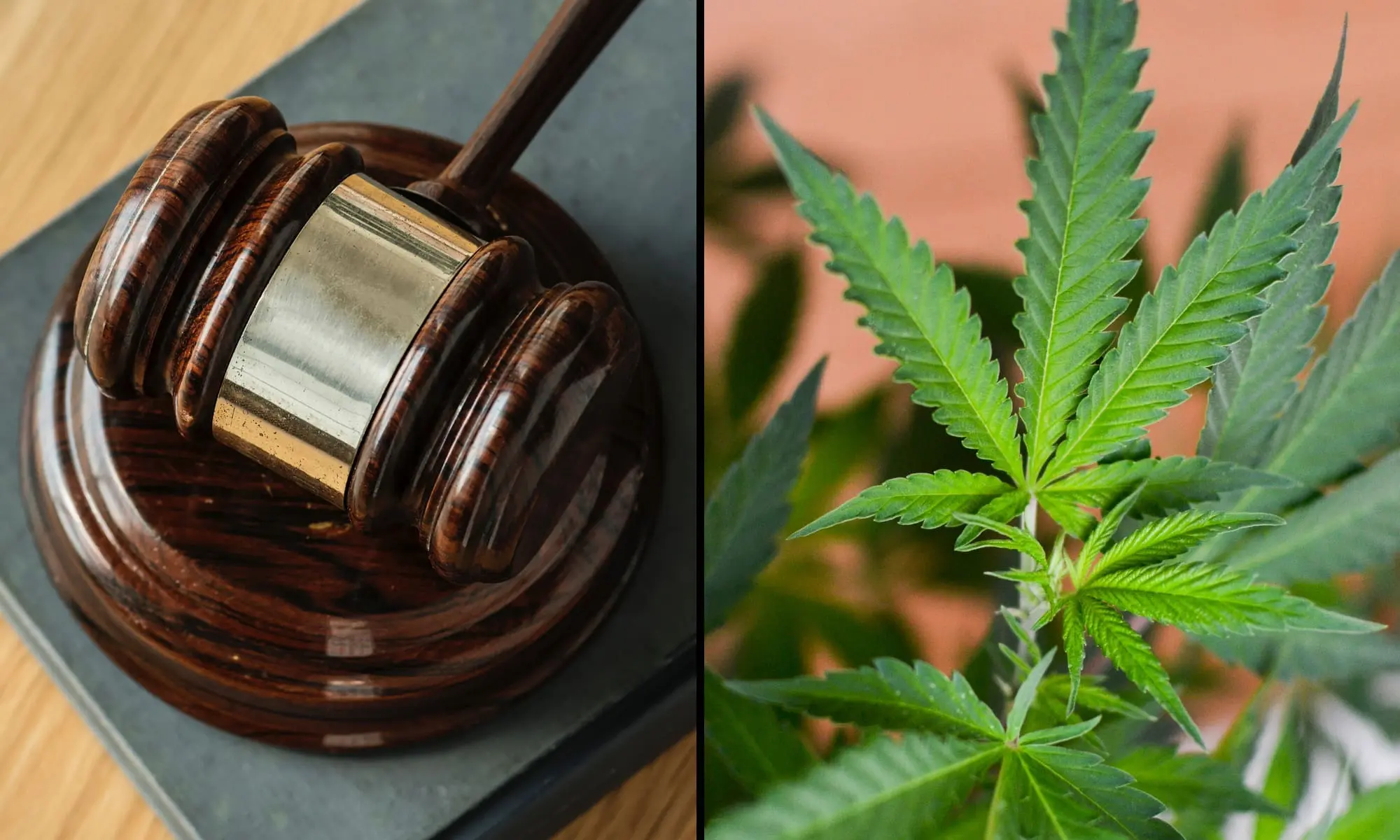
Michigan Judge Allows Marijuana Tax Increase To Take Effect Despite Industry Lawsuit
Michigan marijuana tax increase barrels ahead: a 24 percent wholesale excise is now greenlit while the lawsuit grinds on. That’s the headline and the hangover. A Michigan Court of Claims judge said “no” to a preliminary injunction, which means the new cannabis taxation mechanism—tucked into the state’s 2025–26 budget to fund road work through 2030—can take effect as planned. Industry groups argued the move trampled the voter-approved legalization framework and violated procedural rules. Judge Sima Patel wasn’t convinced. No irreparable harm shown. No clear constitutional foul on first glance. So the state’s road fund gets a new stream from the Michigan cannabis market, and operators get a new bill at the distribution dock. It’s a late-night diner special: the check lands whether you’re hungry or not.
The court’s reasoning, boiled down, is the kind of plain-language reading that makes lawyers reach for more coffee. Voters okayed a 10 percent retail excise tax “in addition to all other taxes,” and Patel read those four words—“all other taxes”—as wide as a winter highway. The Legislature, she noted, didn’t rummage around and amend the existing marijuana taxation act. It layered on a separate wholesale tax through a different statute. The two laws can be read together, not as rivals but as roommates who don’t talk much. The industry’s title–object gripe will get its day later, but at this early stage the state’s budget play stands. In other words, the line cooks changed the plating, not the recipe, and the court won’t shut the kitchen over that alone.
Now comes the part that matters to anyone who actually sells or buys weed. A wholesale hit like this rarely stops at the loading bay. It trickles, puddles, and eventually seeps into price tags. Margins that already live on coffee and grit get squeezed; small cultivators feel the torque first; retailers recalibrate; consumers notice a couple extra bucks on the counter and start calculating whether the dispensary experience beats a text from a guy who still does trunk drops. Legal cannabis revenue was supposed to buy asphalt and accountability, while undercutting the illicit market with stable supply and sensible pricing. If the balance tilts too far toward the taxman, the underground grins. If the state’s road fund fills without strangling the regulated side, you get the elusive equilibrium: safer products, predictable rules, and a public-benefit dividend. That’s the policy tightrope Michigan is on, one orange barrel at a time.
The lawsuit isn’t dead; it’s marinating. Patel allowed the core question to proceed: does this new wholesale excise interfere with the intent of the voter-initiated law? That’s not a quick yes/no—discovery, data, legislative history, and the philosophy of what voters meant by “regulated and taxed” all come into play. Each side will try to prove whether this tax aligns with or undermines the pact voters thought they were signing. Zoom out and you see the larger American patchwork problem: states keep tinkering. Florida’s flirting with more patient autonomy in Medical Marijuana Home Cultivation Would Be Legalized In Florida Under Senator’s New Bill. New York’s medical data hints at real public health dividends in Patients In New York’s Medical Marijuana Program Saw ‘Significantly Reduced’ Opioid Prescriptions, Federally Funded Study Shows. New Hampshire is testing the democratic plumbing with New Hampshire Lawmakers Prefile Multiple Marijuana Bills For 2026—Including Measure To Let Voters Legalize On The Ballot. And across the psychedelic aisle, regulators are speeding up careful access in New Mexico Officials Move To Launch Psilocybin Therapy Program A Year Earlier Than Expected. The throughline is the same: write rules that capture benefits without crushing the people and businesses expected to deliver them.
For Michigan, the next months will be about receipts and rhetoric. Expect affidavits from operators detailing thin margins, economists modeling pass-through pricing, and state budget folks explaining how a separate wholesale levy doesn’t gut the voter deal but complements it. The judge has signaled caution—facts first, then conclusions—and that’s not bad governance; it’s just slow. Meanwhile, plan like the tax stays. Rethink your contracts. Negotiate distribution. Watch for municipal responses and market pivots. Remember why legalization happened: not merely to feed a treasury but to starve a black market, reduce harm, and create a transparent, adult-use system that doesn’t feel like a carnival of hidden fees. If you’re a consumer, support operators who keep quality high and corners uncut; if you’re in the industry, keep receipts and keep your counsel close. And if you want to navigate the evolving landscape with compliant, high-caliber options, take a quiet stroll through our shop.