
World Health Organization Won’t Ease Coca Leaf Ban, Even As Review Found Prohibition Is More Dangerous Than The Plant
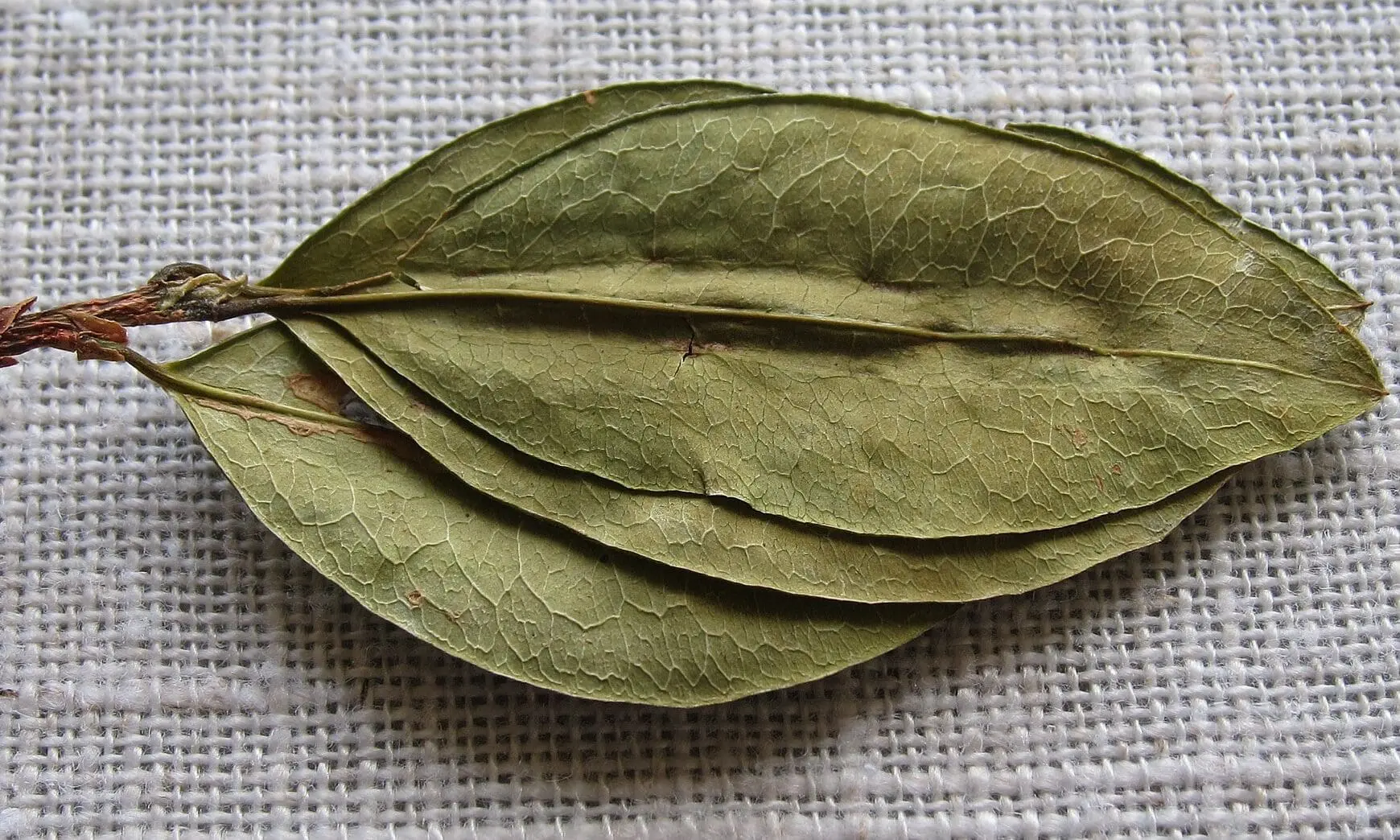
WHO coca leaf ban stays put. Somewhere between the fluorescent corridors of Geneva and the misty slopes of the Andes, a plant got judged for a crime it didn’t commit. The World Health Organization’s Expert Committee on Drug Dependence has recommended keeping the coca leaf in Schedule I of the UN drug treaties—the same iron cage reserved for substances deemed most dangerous—because coca can be converted into cocaine. Never mind that millions across the Andes chew it like their grandparents did, to work, to pray, to soothe a stomach after a rough meal. The science in the WHO’s own review said traditional coca use carries minimal health risks, while prohibition delivers collateral damage. But the gavel came down anyway, and the verdict reads like a familiar script in global drug policy: simplify, conflate, control.
Coca is not cocaine
Here’s the sleight-of-hand: a leaf with less than one percent alkaloid becomes the stand-in for a global cocaine economy built by demand, profit, and a century of bad incentives. The committee pointed to a surge—roughly 34 percent year-on-year—in cocaine production in 2023, as if the schedule for a leaf dictated the fortunes of a transnational supply chain. The experts know coca is consumed daily across the Andes with scant evidence of harm; they also know control strategies can be their own public health disaster. Aerial fumigation, toxic agrochemicals, eradication campaigns that drive farmers deeper into risk—these aren’t exactly footnotes. If drug scheduling is supposed to weigh risk and benefit, the coca decision feels less like medicine and more like geopolitics in a lab coat.
- Traditional coca chewing has no documented fatalities and low dependence or “abuse” potential in the evidence reviewed.
- Potential therapeutic effects include anti-inflammatory properties and modest improvements in post-meal glucose.
- Prohibition-linked harms include exposure to glyphosate-based spraying—associated with miscarriages and increased dermatological and respiratory illness in targeted communities.
- Cocaine production rose an estimated 34 percent year-over-year in 2023—driven by markets and profits, not by the legal status of the leaf itself.
A sacred leaf, a colonial hangover
If you listen to the people for whom coca is sacred, the calculus is simple. They don’t romanticize cocaine; they separate the leaf from what the world did with it. For Andean communities, coca is ceremony and conflict resolution, labor and lullaby. It is masticated wisdom. The committee acknowledged coca’s cultural and therapeutic significance and even noted national exemptions for traditional use. But when the global system criminalizes an entire plant because the North refines a powder from it, that’s not harm reduction—that’s history repeating. We’ve been here before: scheduling decisions that pretend to be neutral while tracing the outlines of older power maps. The result is predictable—cultures forced into narrow legal corridors, farmers pushed toward more dangerous methods, communities hemmed in by a war that never ends. As one Indigenous voice put it, with the kind of moral clarity bureaucracies rarely muster:
“It’s unacceptable for humanity to demonize a sacred medicinal plant… The coca leaf is not itself to blame for being converted into cocaine by humans with economic interests.”
The policy contradictions aren’t just in the Andes
The deeper you look, the stranger the drug-policy tapestry gets. In the United States, where cannabis policy lurches between reform and relic, contradictions pile up like dishes after last call. One chamber rails about qualifications while another lauds “law and order”; meanwhile, a nominee’s medical-marijuana friendliness becomes a political liability, then an asset, then a cudgel. Exhibit A: Senator Blocks Confirmation Of Trump’s ‘Unqualified’ White House Drug Czar Pick Who Has Voiced Medical Marijuana Support. Out on the state frontier, pragmatic reform sometimes wins on the ground where ideology stumbles in marble hallways; look at Kentucky’s First Medical Marijuana Dispensary Will Open In ‘Next Couple Of Weeks,’ Governor Says, Touting Cannabis As Opioid Alternative. Constitutional questions swirl too—gun rights colliding with cannabis use, a legal paradox the Justice Department already knows is on thin ice: DOJ Knew Gun Ban For Marijuana Users Is Vulnerable To ‘Litigation Risk,’ Newly Revealed Memo Shows As Supreme Court Takes Up Issue. And when Washington toys with banning hemp-derived THC products, even congressional researchers shrug at the enforcement riddle: It’s ‘Unclear’ How Feds Will Enforce Hemp THC Product Ban, Congressional Researchers Say, Citing Limited FDA And DEA Resources. The throughline is inconsistency—cannabis taxation here, a prohibitionist reflex there—an object lesson in how a system can talk “science” while walking politics.
There’s precedent for getting this right. In 2020, UN drug control bodies edged cannabis into a saner category, acknowledging medical value after decades of moral panic. No apocalypse followed. Patients got a little more dignity, researchers a little more room. The coca leaf deserves the same sober treatment: evidence-based scheduling that differentiates a sacred, low-risk plant from the industrial chemistry of cocaine. Until then, the WHO coca leaf ban will keep doing what bad policy always does—missing the target and hitting everything around it: farmers, Indigenous rights, public health, and trust. The fix isn’t glamorous, but it’s obvious: decolonize the decision-making, separate plant from product, and let science—not fear—set the table. And if you care about where plant policy meets real people, pull up a chair and keep the conversation going by visiting our shop.