
Kentucky’s First Medical Marijuana Dispensary Will Open In ‘Next Couple Of Weeks,’ Governor Says, Touting Cannabis As Opioid Alternative
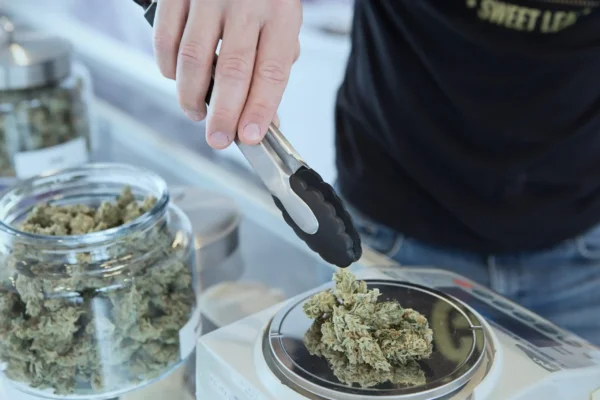
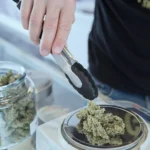
Kentucky medical marijuana dispensary opening. That’s the headline and the promise, delivered with a grin and a wince by a governor who knows every day of delay costs someone a night’s sleep. In the next couple of weeks—his words, not mine—Ohio County is slated to see the first legal jars on shelves, the start of a program that’s been simmering in the pot for years. “Very, very close,” he said, like a chef peeking at a roast he’s been tending all day. It’s more than a ribbon-cutting. It’s a pressure valve for a state where chronic pain is a family member at the dinner table, and opioids have been whispering sweet nothingness into too many ears for too long. This launch isn’t just about a storefront; it’s the first real mile marker in a long haul toward sane cannabis taxation, basic patient dignity, and a functional Kentucky cannabis market that deals in relief instead of regret.
The numbers are the bones in this stew, and they’re solid: 23,757 Kentuckians have already secured their e-certifications for medical cannabis, including 1,756 patients treating cancer symptoms and 15,412 living with chronic pain—people who might otherwise be twisting the childproof cap on another bottle of opioids. The state’s lined up 16 cultivators, 48 dispensaries, six safety compliance labs and 506 certified doctors, which is to say, the supply chain isn’t theory anymore; it’s rows of plants and clipboards and harvests moving into the testing phase. Inspectors have been crisscrossing the state, poking into grow rooms and back offices, getting this thing from “promised” to “purchased.” Yes, it took longer than anyone wanted. To his credit, the governor waived renewal fees for early patients so they aren’t double-charged before doors open, and he’s keeping protections in place for those who secured medicine from licensed out-of-state retailers while Kentucky got its house in order.
Out beyond the dispensary door, the policy weather is shifting. The governor’s been vocal about rescheduling cannabis under the Controlled Substances Act—from Schedule I’s purgatory to Schedule III’s crowded waiting room. It’s not legalization, but it’s a clear lane for research, a better fit for medical use, and a practical gut punch to the illicit market. It’s also part of a broader, messier realignment: a Congress that can’t decide if cannabis is medicine or menace, and a White House that’s flirted with reform while punching the clock on federal inertia. Meanwhile, another faction in Washington is pressing a different frontier—access to tools we once only spoke about in hushed tones. If a bipartisan bill clears the path, Doctors Could Legally Administer Schedule I Drugs Like MDMA And Psilocybin To Seriously Ill Patients Under New Bipartisan Bill In Congress. And on the diplomacy track, equity-minded lawmakers are trying to drag the conversation global, pressing a past and maybe future president to treat reform as a matter of international leadership: New Democratic Congressional Marijuana Resolution Calls For Industry Equity And Pushes Trump To Advocate For International Reform At UN. Kentucky’s first dispensary doesn’t live in a vacuum; it’s opening while policy plates are spinning and the kitchen’s getting hot.
Then there’s the American riddle carved into gunmetal: can a legal medical cannabis patient keep their firearms? Federal law says no, and Kentucky patients have heard the warning loud and clear. The governor’s asked his delegation to fix it, but Congress moves like molasses uphill in January. Courts, however, are chipping away at old assumptions, and even the feds have admitted the ice is thin. Case in point: DOJ Knew Gun Ban For Marijuana Users Is Vulnerable To ‘Litigation Risk,’ Newly Revealed Memo Shows As Supreme Court Takes Up Issue. That phrase—“litigation risk”—is bureaucrat-speak for, “we might lose this one.” Meanwhile, federal enforcement is a patchwork quilt with frayed edges. Even on the hemp side of the fence, where lines are blurrier than a honky-tonk at last call, congressional researchers are shrugging at the question of who, exactly, is going to police a national ban on certain products. As they put it: It’s ‘Unclear’ How Feds Will Enforce Hemp THC Product Ban, Congressional Researchers Say, Citing Limited FDA And DEA Resources. Kentucky’s launch is happening right in the middle of that federal fog, with patients caught between state permission and Washington’s habit of moving the goalposts.
Still, look around: more than a hundred local jurisdictions in Kentucky have already voted to welcome medical cannabis businesses. The appetite is real, the stigma’s cracking, and that “first dispensary” is more like the first domino. The governor expects a fast scale-up once the shelves in Ohio County are stocked, and the groundwork—cultivators, labs, doctors, inspections—suggests he’s not bluffing. If rescheduling lands, research accelerates; if Congress untangles the gun-rights knot, patients stop choosing between relief and their Second Amendment; if federal agencies find their footing, the market gets cleaner and safer. Big ifs, sure. But for tens of thousands of Kentuckians, the next couple of weeks mean something tangible: access, legally and locally, to an opioid alternative that might finally let them exhale. And if you’re ready to explore compliant, high-quality options while this market finds its legs, take a look at our shop: https://thcaorder.com/shop/.