

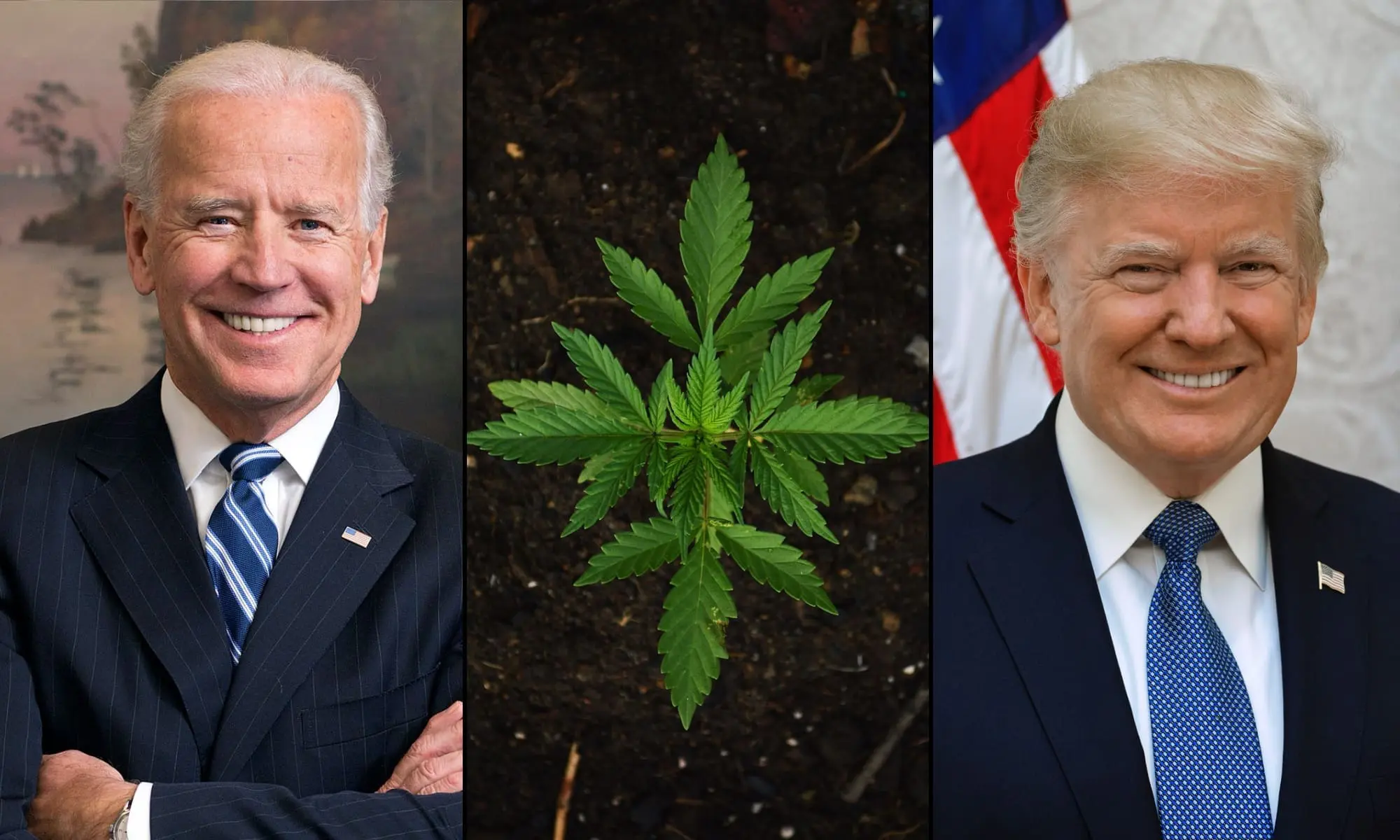
Newly Revealed Biden Marijuana Guidance Rescinded By Trump DOJ Told Prosecutors To Be ‘Extremely Cautious’ About Cannabis Cases
Biden marijuana guidance rescinded: a quiet, clinical memo that once told federal prosecutors to tread lightly on cannabis just got yanked, and the echo feels like a steel door slamming shut in an empty hallway. This isn’t stoner mythology or hazy rumor. It’s federal marijuana policy—charging discretion and reporting rules—turned on, then off, with the flip of an administrative switch. The stakes are simple but sharp: who gets a second chance on a simple possession case, who gets hauled into court for lighting up on federal land, and what it means when Washington whispers one thing and does another in the sprawling, contradictory marketplace of American cannabis.
What the memo did—and why it mattered
In late February 2024, the Department of Justice issued guidance instructing U.S. Attorneys to be deliberate and cautious with low-level marijuana cases. The message, in bureaucratese but clear as a bell: dismiss charges covered by the president’s pardons, and think twice—even three times—before filing new cases for simple possession, use, or attempted possession, especially where the facts look like garden-variety cannabis use. The memo also drew a hard boundary: pardons forgive, but they don’t erase. Expungement would remain the unicorn in this story, available only under narrow federal provisions. And for anything not covered by the clemency order? Proceed, but with restraint and supervisor sign-off.
“U.S. Attorneys should be extremely cautious and measured in the exercise of this discretion.”
That standard was real, enforced by an unusual reporting requirement to DOJ brass. It reached beyond symbolism to shape charging decisions at the margins—where most lives are actually lived. For a comprehensive rundown of how the policy worked and why its sudden reversal matters, see Newly Revealed Biden Marijuana Guidance Rescinded By Trump DOJ Ordered Prosecutors To Seek Higher-Up Approval For Cases.
The rescission: a chill wind from above
Then came September. A new notice, a different tone. The approval and reporting mandates vanished—rescinded, effective immediately. No flourish. No press conference. Just a quiet, decisive pivot. On the ground, U.S. Attorneys didn’t all react the same. One office in the Mountain West signaled it would rigorously enforce marijuana laws on federal land. Others will calibrate to local priorities. But the big picture is unmistakable: the safety railings are off, and any “extremely cautious” gloss on cannabis enforcement now depends on the office, the boss, and the zip code.
Here’s the thing about memos: they don’t turn culture on a dime, but they do set the thermostat. February nudged the temperature down; September twisted the dial back up. Meanwhile, the document trail—released under FOIA—lays out the split-screen logic of today’s marijuana policy: partial forgiveness for the past, brittle federal illegality for the present, and an uneasy truce with states that chose a different path. If you want to see the source paperwork yourself, the guidance and rescission notice are here:
Medical nuance, guns, and the friction of federalism
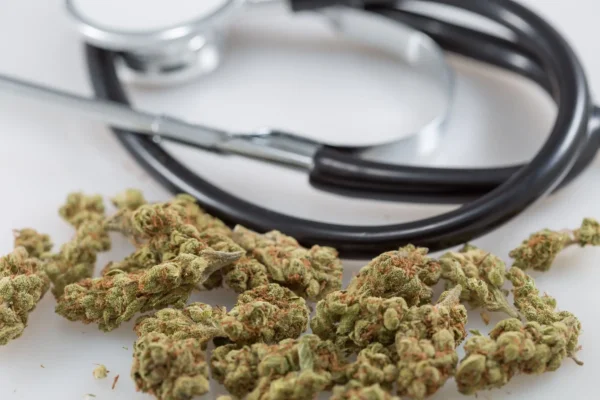
The 2024 guidance carved out something humane, if not revolutionary, for medical marijuana patients in legal states. If someone on probation or supervised release used cannabis medically in line with state law, revocation shouldn’t be the knee-jerk response; alternatives to incarceration were on the table. That nod recognized a basic truth: state medical programs exist, patients exist, and federal supervision shouldn’t pretend otherwise—especially given congressional limits on DOJ meddling in those programs. The memo also addressed firearms and cannabis users, leaving the door open to charges under 18 U.S.C. § 922(g)(3), but warning prosecutors to move carefully given the legal headwinds in federal courts.
Zoom out and you see the same pattern repeating: rules, exceptions, and a constant negotiation with state policy. Texas, for example, is building procedural on-ramps for what counts in its medical program, right down to devices and conditions—a small but telling sign of maturation in a conservative jurisdiction: Texas Agency Releases Form To Recommend New Medical Marijuana Qualifying Conditions And Approved Inhalation Devices. And nationally, the public health picture increasingly suggests regulation works when it’s built with guardrails and data, not panic and platitudes—see the government-funded analysis here: Marijuana Regulations Protect Public Health Better Than Alcohol Rules Do, New Government-Funded Study Finds.
Hemp bans, rescheduling rumors, and the cost of whiplash
While DOJ policy flickered, another front lit up: hemp. A federal move to ban consumable hemp products with THC—after years of Farm Bill-fueled commerce—signals a return to prohibitionist muscle memory, even as many consumers and small businesses built livelihoods around compliant, low-dose products. Critics call it a blunt instrument, punishing the many for the sins of the few. For a sharp take on why that backward step would gut innovation and punish responsible actors, read Federal Hemp Ban Pushed By GOP Is A ‘Step Backward,’ Democratic Congresswoman Says (Op-Ed). Layer in the stop-and-start drumbeat around cannabis rescheduling—a promise perpetually “under review”—and you get the true flavor of America’s marijuana policy in 2025: half measures, reversals, and a lot of folks trying to live normal lives under abnormal rules.
So where does that leave us? With a rescinded Biden marijuana guidance that once counseled restraint, a revived appetite—at least in some offices—for prosecuting simple possession on federal land, and a national market that keeps evolving in spite of the mixed signals. If you’re a patient, a consumer, or an operator, the best advice remains annoyingly simple: know your state, know your federal footprint, and keep receipts. And if you came here for clarity, you’ll get something better: honesty about the mess and a path forward that runs through real regulation, smart enforcement, and fewer moral panics. When you’re ready to explore the lawful side of the plant with care and craft, step into our shop.