
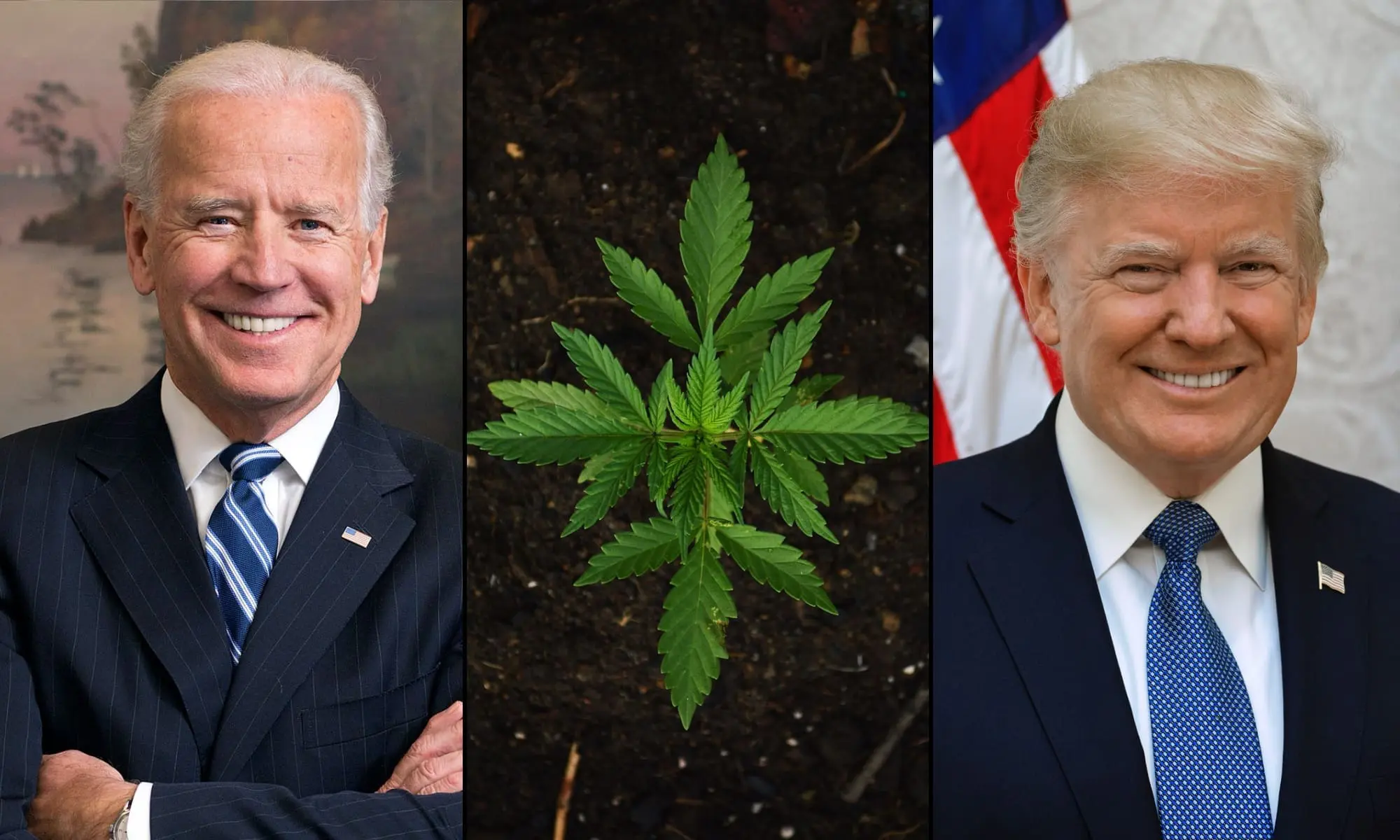
Newly Revealed Biden Marijuana Guidance Rescinded By Trump DOJ Ordered Prosecutors To Seek Higher-Up Approval For Cases
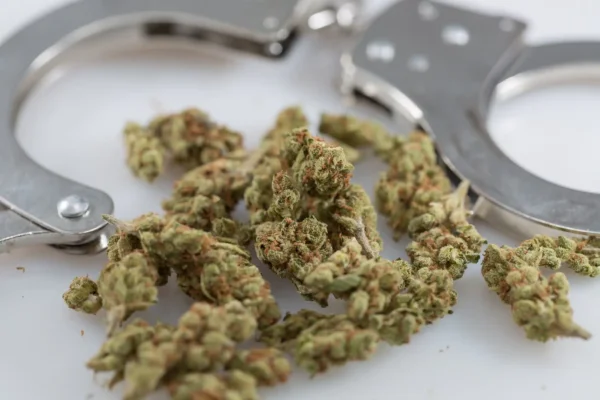
Federal marijuana prosecution guidance rescinded — a quiet memo with loud consequences. In the haze of campaign slogans and half-remembered promises, a little-known Department of Justice directive once told U.S. attorneys to treat simple cannabis cases like live grenades: handle carefully, report up the chain, and, when appropriate, drop them. That federal marijuana prosecution guidance, born under Biden’s watch and centered on pardoned possession cases, has now been shelved by the new administration. The shift doesn’t just tweak policy—it resets the tempo on cannabis enforcement policy at the exact moment the country is still arguing over marijuana policy reform, legal cannabis revenue, and whether someone holding a joint on federal land is a criminal or just unlucky.
Here’s the crux of the memo you probably never heard about: prosecutors were told to dismiss charges covered by the mass pardons for low-level marijuana possession and to tread lightly—extremely lightly—before chasing new simple possession cases. Expungement? Not part of the deal, the guidance clarified, even if the political pitch sometimes blurred that line. The document carved out a practical nod to medical marijuana in state-legal jurisdictions, hinting that supervised release violations tied to state-compliant medicinal use shouldn’t automatically mean cuffs or cages. It also waved a caution flag on the thorny marijuana-and-gun-rights provisions—cannabis stays federally illegal, yes, but DOJ acknowledged the legal minefield and urged consultation before bringing those charges.
- Charges covered by the pardons: dismiss.
- New simple possession cases: proceed only with higher-level approval, and be “extremely cautious.”
- Expungements: generally oppose, except in narrow statutory circumstances.
- Medical cannabis on supervision in legal states: consider alternatives to incarceration.
- Firearms cases tied to cannabis use: proceed with caution due to litigation risk.
Then came the pivot: that internal reporting regime and cautionary brake were rescinded. No fanfare, no press conference—just a switch flipped. One U.S. attorney announced he’d “rigorously” enforce marijuana statutes on federal land, which is a neat way of saying, if you light up inside a national boundary line, you might feel the full federal weight. That’s the whiplash of American cannabis enforcement in a nutshell: in one moment, a discretionary shield; in the next, an invitation to prosecute. For readers who want to see the black-and-white, the rescinded guidance and the notice pulling it back are posted publicly via DocumentCloud, and you can read the documents here: DOJ cannabis guidance and rescission notice. The broader point is harder to scan: federal law still says marijuana is illegal, even where state markets hum, tax coffers fill, and storefronts glow like beacons on Friday nights.
This isn’t happening in a vacuum. The federal government is also wrestling with hemp, the plant’s legal cousin that broke free in 2018 and promptly spawned an industry built on loopholes, chemistry, and entrepreneurial audacity. That same federal apparatus is now pushing to shut the door on consumable THC hemp products—an about-face that has sparked sharp backlash. If you want to understand why many see a crackdown as a political and economic misstep, read Federal Hemp Ban Pushed By GOP Is A ‘Step Backward,’ Democratic Congresswoman Says (Op-Ed). Meanwhile, evidence keeps piling up that smart marijuana regulations can actually protect public health more consistently than the rules we tolerate for booze—context that undercuts the reflex to prosecute possession like it’s a public menace. For a deeper dive on that, see Marijuana Regulations Protect Public Health Better Than Alcohol Rules Do, New Government-Funded Study Finds. So we lurch forward and backward at the same time—one hand nodding toward reform, the other clutching old statutes like a rosary.
What comes next? The rescheduling process is supposedly “under review,” with deadlines that always feel like they’re slipping just out of reach. The Supreme Court will soon weigh the gun-ownership question for people who use marijuana, a collision of constitutional rights and controlled substances law that could redraw the map. States, as ever, are improvising their own answers: medical programs expand, refine, and retrench; regulators decide who gets to inhale what, and how. If you’re looking for a snapshot of that ground truth, Texas just offered a rare bit of bureaucratic sunshine with new forms to recommend additional qualifying conditions and approved devices—see Texas Agency Releases Form To Recommend New Medical Marijuana Qualifying Conditions And Approved Inhalation Devices. And because policy is never just policy—it’s people—remember those still serving time for cannabis, even as dispensaries pay taxes and ribbon-cuttings draw mayors. A small way to put heart back into the headlines: Marijuana Advocacy Group Launches Holiday Campaign To Send Letters Of Support To People Still Incarcerated For Cannabis. As the federal marijuana prosecution guidance gives way to a harder line, the smart move is to stay informed, stay human, and, when you’re ready to explore what’s next in this evolving market, visit our shop: https://thcaorder.com/shop/.