



CBD Can Help Aggressive Dogs Chill Out, New Study Shows
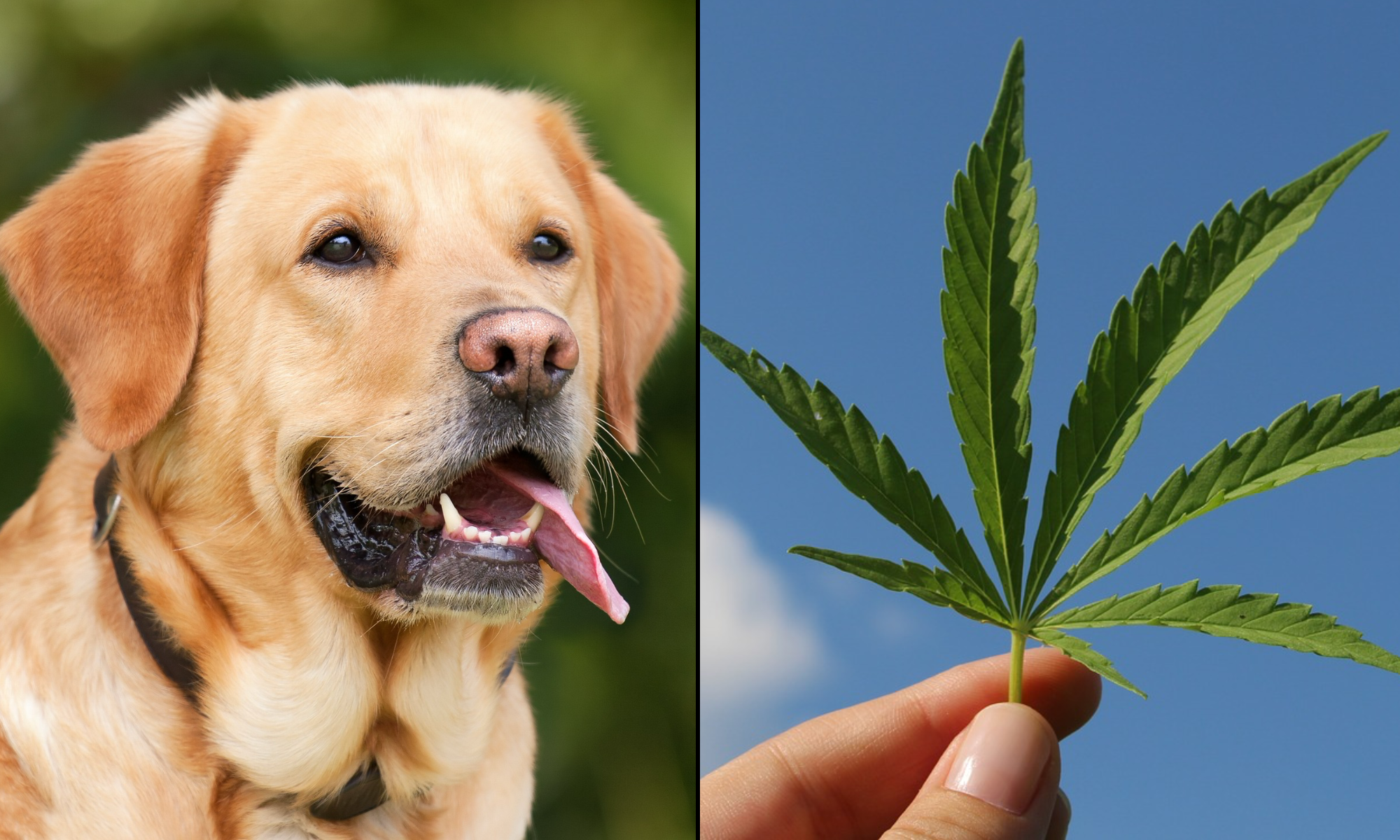
CBD for aggressive dogs: not a miracle serum, but the newest signal from the data says tempers are cooling at the edges. Picture a kitchen light at 2 a.m., a dog pacing grooves into linoleum, the air thick with the kind of tension you can taste. Into that scene walks cannabidiol—CBD supplements for dogs—no swagger, just a steady presence. Researchers digging through the Dog Aging Project’s colossal, multi-year trove—tens of thousands of canines cataloged—found that companion dogs given cannabis-derived products, mostly hemp-based CBD, started out rougher around the edges than their peers but mellowed with time. This wasn’t a whisper of placebo; it was a pattern strong enough to publish in Frontiers in Veterinary Science. The headline is both simple and complicated: CBD may help with canine aggression. Not anxiety, not hyperactivity. Aggression. If you’ve ever loved a dog who bristles first and asks questions never, you know that difference matters—for the animal, and for the hands that feed it.
The sample is big enough to feel like a neighborhood census: 47,355 dogs, their lives sketched annually between 2019 and 2023. About 7.3% had tasted CBD or hemp supplements at some point; 5.8% were frequent users, dosed daily. The CBD cohort skewed older—roughly three years up the hill from non-users—and more male, with about a 9% bump in likelihood over females. The ailments clustered like you’d expect in a veterinary waiting room: dementia led the pack (around 18.2%), followed by creaky osteoarthritic joints (12.5%) and cancer (10%). Geography told its own story. Dogs in states with medical cannabis laws saw more CBD in the bowl, a reminder that human policy shapes pet medicine—because we buy the bottles. You can see those legal tectonics shifting in real time, from Texas Officials Finalize Medical Marijuana Rules To Let Doctors Recommend New Qualifying Conditions And Prescribe THC Inhalation Devices on one side of the map to a fresh retail horizon hinted at in Bill To Legalize Marijuana Sales In Virginia In 2026 Will Be Unveiled This Week on the other.
Here’s the behavioral twist that makes ears perk: dogs on CBD looked a little more hair-trigger at the starting line than their non-CBD peers. Then, over years, their aggression dialed down—enough to dip below the average intensity of the non-user pack. That’s the actionable kernel: a possible long-term calming trend in canine aggression. But agitation and anxiety? The charts didn’t move. Neither did physical activity. This wasn’t CBD turning dogs into couch mold; it was something more specific, like knocking a sharp corner off a table. Still, the study is honest about its blind spots. Dosages weren’t tracked, formulations varied, routes of administration went unrecorded, and all the behavior notes flowed from owners who love their dogs. Bias lives there. The authors call for controlled trials—the painstaking, dosage-clear kind—because a signal this intriguing deserves to be tested under bright lights and clean gloves.
So what do you do with that if your own dog’s fuse is short? Start with respect for the compound—and the creature. CBD may carry side effects, from GI discomfort to diarrhea, and choosing a reputable brand matters more than the label’s promises. Think of CBD not as a sedative, but as a tool in a broader behavioral kit: structure, exercise, professional training, patient humans. We’ve learned the hard way—on highways, in headlines—that cannabis narratives get sloppy when people confuse relaxation with performance, which is why public health folks keep hammering caution in campaigns like Feds Launch New Marijuana-Focused Ad Campaign To ‘Challenge The Dangerous Belief’ That People Drive Better While High. The parallel in the pet world is simple: don’t use CBD as a shortcut past the work. Use it, if you and your vet choose, as a support beam while you rebuild the house.
Zoom out, and you see how policy tides tug at leashes. If hemp rules tighten at the federal level, the ripple could hit pet aisles first, which is why policymakers watching hemp-derived THC thresholds are suddenly dog-adjacent. Minnesota’s governor has already signaled concerns about disruptions to a thriving sector, a fight that could reshape access to hemp CBD for humans and animals alike: Minnesota Governor Is ‘Exploring’ How To Address Impending Federal Hemp THC Ban That Would Disrupt ‘Thriving Industry’. For now, the takeaway is pragmatic. If you’re considering CBD for canine aggression, talk to your veterinarian, demand lab results, go slow, observe closely, and keep the leash short on expectations—let the data, not the hype, lead. And when you’re ready to explore compliant options with care, you can find them in our shop: https://thcaorder.com/shop/.