


Feds Launch New Marijuana-Focused Ad Campaign To ‘Challenge The Dangerous Belief’ That People Drive Better While High
Marijuana-impaired driving is in the crosshairs
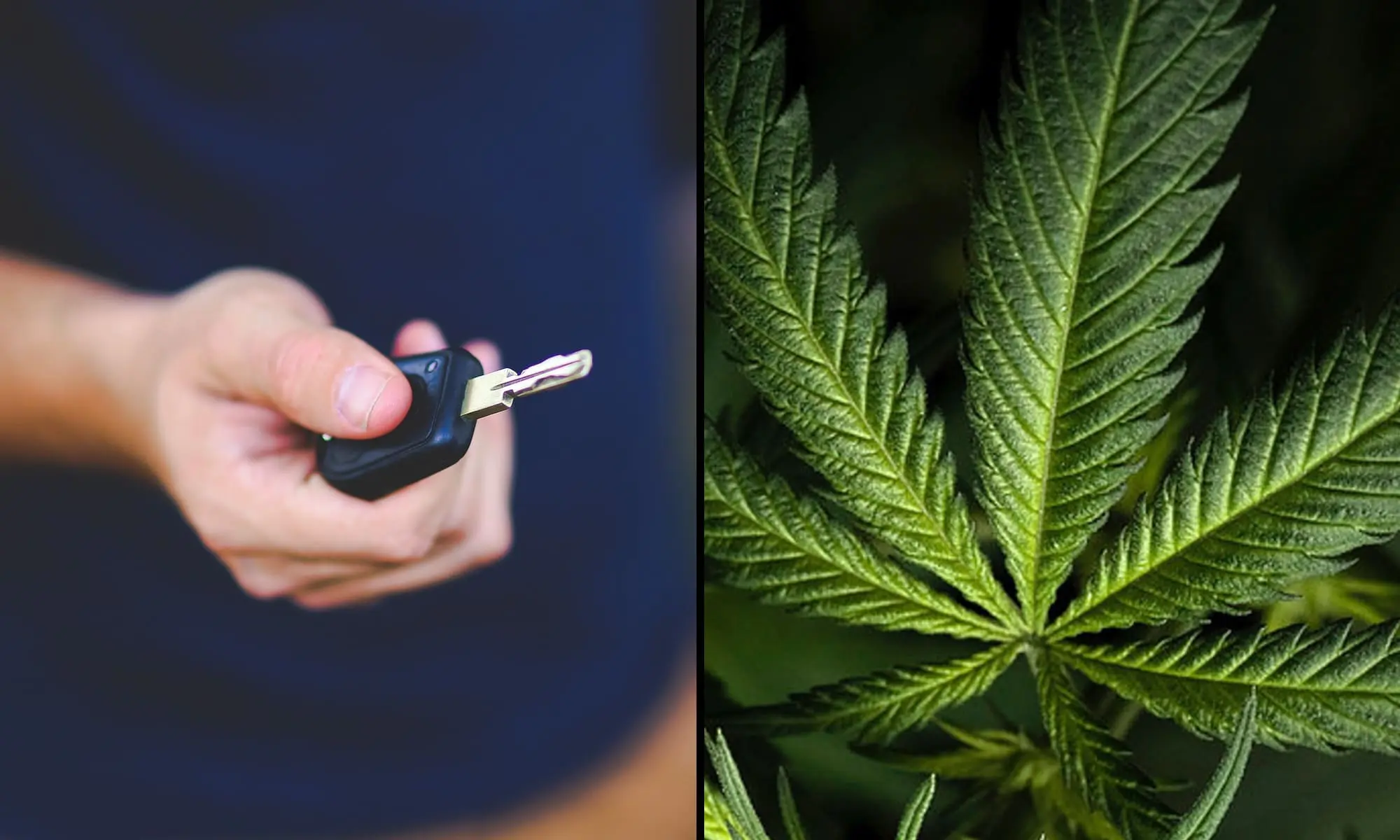
Marijuana-impaired driving has a new, unblinking spotlight on it, courtesy of a hard-edged campaign from the Department of Transportation and the Ad Council. The message, delivered like a last call you don’t want to hear: the myth that you drive better high is not just wrong—it’s lethal. In a 60-second punch to the gut, the “Tell That to Them” PSA lets a confident narrator brag about how weed makes him a calmer, sharper driver—right up to the moment he plows head-on into another car. It’s a grim parable tailored for the era of legal cannabis and limitless confidence, and it plants its flag in the middle of a complicated debate about cannabis taxation, marijuana policy reform, and public safety—without flinching.
The tone shifts from wink to warning
For years, federal messaging around cannabis-impaired driving flirted with humor and subculture—cheeky graphics, a horror-movie gag, even a CG cheetah behind the wheel. This time there’s no nudge, no wink. NHTSA’s leader, Jonathan Morrison, cuts straight through the fog: marijuana slows reaction time and blunts coordination and judgment. The Ad Council says their own research shows some young men don’t just underestimate risk; they somehow believe THC gives them an edge. Michelle Hillman, the organization’s chief campaign development officer, described the strategy in a press release: interrupt the self-justification loop with the message, “If you feel different, you drive different.” That line lands because it’s simple—and because it leaves room for reality: people do use cannabis, legally and otherwise, and still have to make choices about getting behind the wheel. The PSA doesn’t scold; it confronts the self-delusion where it lives.
The science is messy, the stakes are not
Here’s the part that makes the policy conversation a minefield: impairment and THC levels don’t move in lockstep. A body of research has failed to show a neat, predictable correlation between blood THC concentration and crash risk the way we have with alcohol. NHTSA’s own 2015 synthesis acknowledged it’s “difficult to establish a relationship” between THC in blood and actual impairment, and warned against predicting effects from numbers alone—see the federal overview archived at the National Institutes of Health: NIH/PMC. Heavy consumers can test high long after the buzz fades; casual users might be more affected with far less in their system. That undercuts “per se” THC limits some states rely on and points toward systems that measure performance—field sobriety, cognition, reaction—rather than metabolites. A Justice Department scientist recently echoed this practical reality: we may need to get away from the fantasy that a single THC number tells the whole story. Still, the bottom line doesn’t budge: if you’re high, you shouldn’t drive. Public safety demands a rule we can all live with, even as the labs and legislators wrestle over the details.
Policy crosswinds and a culture still catching up
There’s political static humming behind the PSA, too. Language in a recent House spending bill would block federal traffic safety dollars from supporting ads that could be read as “encouraging” illegal drug or alcohol use, a sign that messaging has to thread a needle between realism and righteousness. Meanwhile, the legal landscape keeps shifting under our feet. Virginia inches toward retail sales—see the latest on the Bill To Legalize Marijuana Sales In Virginia In 2026 Will Be Unveiled This Week—even as federal rules remain murky. States with thriving hemp markets are bracing for federal moves that could upend them; the Minnesota Governor Is ‘Exploring’ How To Address Impending Federal Hemp THC Ban That Would Disrupt ‘Thriving Industry’, a test case in how local economies and public health collide. Down in the Volunteer State, regulators and producers are cutting temporary truces—note the recent accord that keeps certain products on shelves in the short term: Tennessee Officials Reach Agreement With Hemp Industry To Temporarily Allow THCA Sales. All these moving parts shape how—and how hard—we talk about driving stoned. The culture is mainstreaming cannabis faster than the rulebook can be rewritten, which makes clear, credible messaging even more critical.
Don’t confuse freedom with invincibility
The new PSA isn’t perfect; no government spot ever is. But it’s a bracing reminder that roads don’t care about your vibe, your playlist, or your preferred strain. Nobody drives better high. If you plan to consume, make a plan not to drive—rideshare, couch, friend, whatever keeps keys and ignition apart. The courts could soon redraw the lines of regulatory power in ways that ripple into cannabis testing, enforcement, and labeling; keep an eye on cases percolating toward the justices, like the one outlined here: Supreme Court Should Hear Marijuana Case That Could Affect Other Issues, Man In Endangered Species Act Dispute Says. Until then, consider this a traveler’s rule from anyone who’s seen enough late nights and bad decisions to last a lifetime: respect the road, respect the people on it, and respect your limits. And when you’re not behind the wheel and want something exceptional for your off-hours, explore our curated selection at our shop.