


Bill To Legalize Marijuana Sales In Virginia In 2026 Will Be Unveiled This Week
Virginia’s Retail Turn: No More Half-Measures
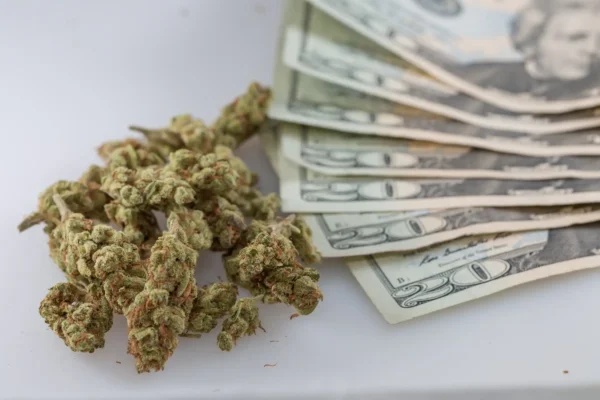
Virginia marijuana sales legalization 2026 isn’t just a headline—it’s the map scribbled on the diner napkin after five years of meandering through legal limbo. The legislature’s commission has settled on a blueprint that reads like a sharp course correction: no local opt-outs, a cleaner tax architecture, and a licensing scheme that favors micro-business grit over corporate sprawl. If lawmakers move in 2026 and the incoming governor signs, retail doors could swing open November 1, 2026. The pitch is simple but hard-earned: build a regulated adult-use cannabis retail market in Virginia that is competitive, decentralized, and built to last. This is cannabis taxation done with intention—state tax at 8 percent, local excise up to 3.5 percent—aimed not at the quick score but at long-term, legal cannabis revenue that flows back into the neighborhoods prohibition bruised the most. For a state that legalized possession and home grow without a retail lane, this plan finally offers one—and it points toward a Virginia cannabis market that could stand up on first pour rather than collapse under its own foam.
No ‘Dry Counties,’ More Local Muscle
The commission’s most decisive cut is surgical: the opt-out clause is gone. No more dry-island politics that leave entire swaths vulnerable to the illicit market, no more patchwork deserts that push consumers back into the shadows. Local governments still steer land-use, zoning, buffers, and siting; they just don’t get to flip the “no” switch on the whole concept. In exchange, they get more fiscal oxygen. The local cannabis excise climbs from a proposed 2.5 percent to 3.5 percent, the state holds the line at 8 percent, and certain business deductions become available at the state level even as federal law lags. Paraphernalia gets reclassified under ordinary sales tax rules—one less distortion at the register. The philosophy shows through the policy: control what’s sold and where, price it fairly, and fund the community priorities that the War on Drugs starved. It’s not about chasing top-line dollars on day one. It’s about building a structure that’s clean enough to draw consumers out of the gray and strong enough to keep them there. Call it marijuana policy reform without the moralizing—just brass-tacks governance that recognizes what happens when you leave a vacuum: someone fills it, usually fast, and not always with a license.
Micro-Business First, Consolidation Last
Here’s where it gets interesting. Up to half of initial licenses go to micro-businesses—people who grow, process, or sell on a small scale and keep the margins honest. Every license holder, from mom-and-pop to multi-state operator, faces a strict five-license cap across retail and production. Even a one-percent equity ghost in a faraway cap table counts toward that limit. Translation: the doors open wide for hundreds of small, Virginia-based businesses to take real shots, while roll-up dreams get benched. A direct-to-consumer license aligns with how people already live—delivery to adults at home, regulated under the Virginia Cannabis Control Authority, not left to improvisation. And the bones of the system have matured: the state’s Metrc seed-to-sale tracking is live; the medical market just clocked nearly $30 million across more than 256,000 transactions in a recent two-month window. That’s not hype; that’s infrastructure quietly humming. If the labeling, testing, and delivery rules stay tight, Virginia can run a clean lane between licensed commerce and the illicit market, instead of letting both bleed into each other on a Friday night and pretending that’s equilibrium.
Labor, Law, and the National Echo
Workers aren’t an afterthought in this draft. UFCW voices are pushing for a people-first market—labor-peace provisions, fair organizing conditions, a floor beneath the hustle. They’ve seen what happens in states that treat workers like fixtures: retaliation, union-busting, a churn that erodes product quality and public trust. Virginia’s proposal gestures toward a different arc. And beyond the state line, the chorus is loud and instructive. In Minnesota, the governor is, in his own way, staring down federal headwinds with an eye to preserving a viable hemp sector—see Minnesota Governor Is ‘Exploring’ How To Address Impending Federal Hemp THC Ban That Would Disrupt ‘Thriving Industry’. Tennessee, faced with reality on the ground, cut a temporary truce to allow THCA sales as rules catch up to facts—read Tennessee Officials Reach Agreement With Hemp Industry To Temporarily Allow THCA Sales. In the courts, even unrelated fights are setting the stage for how cannabis gets governed and by whom, a reminder echoed in Supreme Court Should Hear Marijuana Case That Could Affect Other Issues, Man In Endangered Species Act Dispute Says. And on the West Coast, California’s cautionary tale is still unfolding, with a new top regulator confronting complexity and hard lessons—see New Top California Cannabis Regulator Appointed By Newsom Must Fix The Program’s Failures (Op-Ed). Virginia’s plan listens to that national feedback loop: decentralize, clarify, enforce, and don’t let the tax tail wag the public-interest dog.
The Long Ramp to November 2026
The timeline is ambitious but sane. The commission will present, the legislature will grind through the 2026 session, and—if the votes land and the new governor keeps her word—stores could start ringing up legal adult-use sales by November 1, 2026. Between here and there, the usual critics will hit the usual notes: youth access, roadside safety, community impact. Those concerns deserve real answers, not reflexive panic—and the answers live in implementation: targeted education, rigorous labeling, verified delivery, enforcement that punches up at bad actors instead of down at consumers. The bigger risk is pretending the status quo is neutral. It isn’t. Without a lawful retail channel, the illicit market writes the rules and pockets the receipts. This framework, with micro-licenses, tax calibrations, and guardrails, is a bid to bring the commerce into daylight and keep it there. Virginia wanted a regulated adult-use market with a conscience; this is the first plan that looks like it could pull it off. And if you’re ready to explore compliant, high-end options while staying ahead of the curve, step into our shop and see what’s fresh: https://thcaorder.com/shop/.